
User Interaction in Roblox: The Impact of Virtual Communities on Collaboration and Content Creation
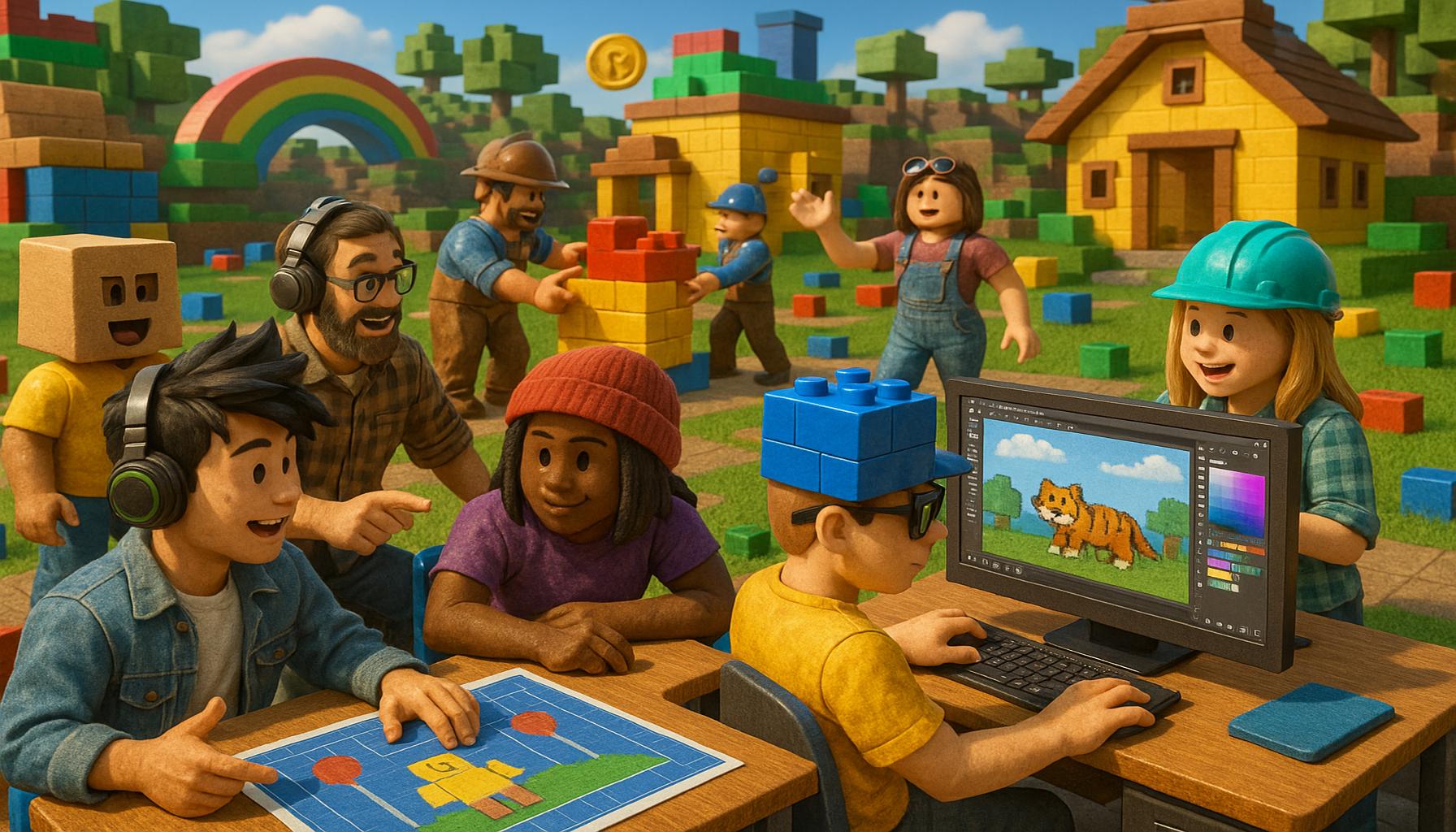
The Evolution of Virtual Communities in Roblox
Roblox has grown to become a significant player in the realm of digital entertainment, granting users the capability to forge their own experiences and share them with a vast audience. This interactivity has fostered a rich tapestry of virtual communities where users from various backgrounds and skill levels come together, leading to collective growth and enhanced gameplay experiences. Understanding the impact of these communities on both gameplay and content creation is essential for grasping the platform’s success.
At the heart of Roblox is its emphasis on user-generated games. Players are not just passive consumers; they are active creators who can develop immersive worlds, gaming mechanics, and narratives. A vibrant example of this is the game “Adopt Me!”, which allows players to create their own virtual pets and interact with other players. This level of engagement promotes not only creativity but also a sense of ownership among players as they collaborate to enhance their gaming environments.
Collaboration and Social Interaction
The platform’s built-in social networking systems serve as a potent catalyst for building friendships and collaborative projects. Players can form teams, share ideas, and provide constructive feedback, thus cultivating a culture of support and collective achievement. For instance, the game “Brookhaven” exemplifies how users can immerse themselves in a community-driven environment that mimics real-life social interactions, thereby developing strong social bonds.
Additionally, the in-game communication tools such as chat functions and voice calls facilitate real-time engagement, enhancing the collaborative atmosphere. These tools enable players to strategize in groups or discuss creative ideas on-the-fly, adding depth to the gameplay experience and fostering an environment ripe for innovation.
Benefits of Collaboration
Engaging within these virtual communities also leads to significant skill development. Players working on collaborative projects can learn various aspects of game design, coding, and digital storytelling from one another. This shared knowledge base promotes a continuous cycle of learning that empowers users to improve their skills more rapidly than they might in isolation.
Moreover, collaboration within the Roblox ecosystem enhances creativity. The incorporation of diverse perspectives and ideas from community members ignites innovation, allowing for the generation of unique game concepts and features that may not have emerged from individual creators alone. This community-driven approach can lead to groundbreaking content that captures the interest of the broader gaming audience.
Ultimately, the rich interplay among users within Roblox does not only serve to elevate the platform itself but sets a precedent for the future of virtual communities. As more players engage collaboratively, the resulting content innovation can propel the platform into new territories, thereby enriching the gaming landscape as a whole.
This exploration of user interaction and collaborative efforts in Roblox underlines the significance of community in shaping not only content creation but also the social dynamics of virtual environments, which may inform models in other areas of digital engagement.
SEE ALSO: Click here to read another article
Fostering Creativity Through Social Engagement
The dynamism of user interaction within Roblox is fundamentally tied to the platform’s ability to cultivate collaborative environments that spur creativity and innovation. The architecture of Roblox encourages players to not only immerse themselves in gameplay but also to participate in the creative process. This participation often takes on many forms, including teamwork, brainstorming sessions, and feedback exchange, enhancing the overall user experience.
The Mechanics of Collaboration
Roblox’s collaborative framework is supported by a variety of tools and systems that facilitate user engagement. Group functionalities stand out as a prominent feature, enabling players to form communities around shared interests or specific game projects. These groups can range from small collectives focused on niche game designs to larger alliances that tackle more complex projects. Inside these groups, members have the opportunity to:
- Share Knowledge: Experienced developers can mentor novices, providing guidance on game mechanics, design principles, and coding techniques.
- Host Collaborative Events: Many groups organize contests or collaborative creation sessions, fostering a sense of competition and camaraderie.
- Receive Constructive Feedback: In-game prototypes or concepts can be tested within group settings, enabling members to refine their ideas based on group input.
This structured approach to collaboration not only enhances the quality of content created but also strengthens the bonds between users, transforming casual players into partners in the creative journey.
The Social Dimension of Engagement
Beyond the mechanics of collaboration, the social aspect of user engagement in Roblox cannot be overstated. The platform’s integrated chat systems and community forums provide players with myriad ways to communicate and collaborate effectively. These channels of communication facilitate interaction on multiple levels and contribute to a perpetual exchange of creative ideas.
For instance, players can participate in discussions about game design trends, share tips and resources, or even join forces to develop new gameplay features. Such interactions are essential for several reasons:
- Building Trust: Regular communication fosters relationships based on mutual respect, allowing users to collaborate more effectively.
- Encouraging Inclusivity: By engaging with a diverse community, players are exposed to varying perspectives and methodologies, enriching their own approaches to game development.
- Strengthening Community Identity: As players work together, they often develop a collective identity that enhances their connection to both their projects and the overall Roblox ecosystem.
This comprehensive engagement model reinforces the idea that creativity within Roblox is a community-driven endeavor. With the collaborative mechanisms in place, users are equipped to enhance not only their individual skills but also the quality and appeal of the games they create. As the platform continues to evolve, the influence of community interaction on content creation will likely expand, presenting further opportunities for innovation in the virtual space.
CHECK OUT: Click here to explore more
Collective Knowledge and Skill Development
The collaborative nature of Roblox not only fosters community engagement but also emphasizes the cultivation of collective knowledge and skill development among users. As players from diverse backgrounds come together to create content, they pool their skills, expertise, and unique perspectives, leading to a richer collaborative experience.
Learning Through Collaboration
One of the most significant impacts of user interaction within Roblox is the learning opportunities that arise from collaborative projects. Workshops and Learning Sessions organized by user groups are commonplace, where players gather to share insights on specific game development techniques or tools available within Roblox Studio. These workshops often cover a range of topics, including:
- Game Mechanics: Participants learn about different game genres and how to implement effective gameplay systems.
- Scripting Languages: Sessions focusing on Lua scripting enable users to enhance their coding skills, promoting the development of more sophisticated mechanics for their games.
- Art and Design: Discussions related to graphic design and user interface create awareness of visual storytelling and player experience.
This environment of shared learning enables participants not only to enhance their technical knowledge but also to develop essential soft skills such as communication, teamwork, and problem-solving. By collaborating on complex projects, players learn how to articulate their ideas clearly and work effectively within a team dynamic.
Leveraging Feedback Mechanisms
Feedback loops are integral to the process of content creation in Roblox, as they allow users to refine their work based on community input. Developers frequently release beta versions of their games to a selected group of testers, who provide constructive criticism on elements such as gameplay balance, aesthetics, and user interface design. The importance of feedback can be understood through several key aspects:
- Iterative Improvement: Continuous feedback helps developers identify areas of improvement and implement changes, leading to higher-quality final products.
- Audience Insight: Engaging with the player community enables developers to better understand player preferences, which can guide future projects or updates.
- Accountability: Collaborative feedback enforces a sense of responsibility among developers, as each member is held to a standard set by their peers, ultimately leading to a more polished product.
This aspect of user interaction not only fosters a culture of excellence but also encourages a mindset in which creators value and seek input actively. This exchange of ideas often leads to innovations that would not have been possible in solitary development, establishing an ecosystem where creativity thrives on feedback.
Virtual Marketplaces and Content Monetization
In addition to enhancing collaboration, Roblox has revolutionized content creation through its robust virtual marketplace, where users can monetize their creations. Developers who successfully collaborate on popular games can generate significant income, which serves as a powerful motivator for continued engagement and innovation. The monetization process introduces additional layers of complexity to community interaction:
- Incentives for Quality: As users invest time and resources into their creations, the pursuit of financial rewards encourages a commitment to producing high-quality content.
- Economic Collaboration: Users often join forces to develop games that incorporate unique features, diversifying their offering and attracting a broader audience.
- Shared Resources: Collaboration allows for pooling of resources, whether it be assets, scripts, or marketing efforts to optimize sales potential in the crowded marketplace.
Ultimately, the combination of user interaction and community-driven initiatives within Roblox shapes a thriving ecosystem of creativity and innovation where collaborative efforts lead to the creation of compelling content, enriching the experience for players and creators alike. As the platform continues to evolve, the significance of these elements in fostering a supportive community cannot be understated.
CHECK OUT: Click here to explore more
Conclusion
User interaction in Roblox represents a transformative force reshaping how virtual communities collaborate and create content. The cultivation of collective knowledge among diverse users not only enhances the technical skills of participants but also reinforces essential soft skills such as teamwork and communication. As Roblox users engage in collaborative projects, they benefit from dynamic learning environments, exemplified by shared workshops and mentorship initiatives that empower creators to excel in game development.
The integral role of feedback mechanisms further amplifies the quality of content production. By actively seeking and incorporating community input, developers can adopt a more iterative approach, resulting in polished final products that resonate with players. This culture of constructive critique encourages accountability and cultivates an ecosystem where innovations flourish.
Moreover, the establishment of virtual marketplaces within Roblox has added an exciting dimension to content creation, allowing users to monetize their efforts. This financial incentive not only motivates higher-quality output but also encourages partnerships that further diversify and enrich the player experience. Creative collaborations often result in unique offerings that captivate broader audiences, illustrating the economic benefits of community engagement.
In conclusion, the synergy between user interaction, collaboration, and content creation in Roblox is fostering an evolving digital landscape filled with opportunities for both players and developers. As these virtual communities continue to grow and adapt, their impact on the platform’s creativity and innovation will undoubtedly leave a lasting legacy in the gaming industry, setting new standards for user-driven engagement and collaborative development.