
The Evolution of User Interactions in Simulation Games on Roblox: Trends and Innovations
Roblox and the Evolution of User Interactions in Simulation Gaming
Roblox stands as a transformative platform within the gaming sector, particularly noted for its significant contributions to the simulation game genre. Over time, the nature of user interactions in these simulations has undergone profound changes, indicative of broader trends and innovations that reflect the evolving landscape of gaming. Understanding these developments is crucial for assessing their impact on player experience and engagement.
- Enhanced Social Features: One of the most noteworthy trends in Roblox is the emphasis on collaborative play, which allows users to engage with friends and strangers alike. For instance, games such as “Adopt Me!” facilitate social interactions by allowing players to trade virtual items and build communities around shared goals. This social connectivity not only enhances the gameplay experience but also fosters a sense of belonging, leading to greater investment in the gaming world.
- Immersive Environments: Recent advancements in graphics and user interface design tools have empowered creators to develop highly detailed and realistic simulation environments. With tools like Roblox Studio, developers can utilize 3D modeling and real-world physics, creating a workspace that mimics life, whether in a bustling city or a serene countryside. These immersive worlds capture players’ imaginations and enhance the overall appeal of the simulations.
- Adaptive Gameplay: Modern simulation games on Roblox are increasingly characterized by systems that adapt to player choices, allowing for personalized experiences. For example, in games such as “Brookhaven,” player decisions can affect their in-game status and interactions, crafting unique narratives for each individual. This adaptive element not only increases player satisfaction but also encourages repeated gameplay, as users explore different outcomes based on their decisions.
The integration of cutting-edge technologies, including augmented reality and machine learning, is playing a pivotal role in enhancing user engagement within Roblox simulations. Augmented reality features enable users to interact with their virtual environments in real-world contexts, while machine learning algorithms help tailor gameplay experiences by analyzing player behavior and preferences. As a result, these innovations push the boundaries of conventional simulation gaming, making interactions more stimulating and rewarding.
As we explore these advancements further, it is essential to consider their future implications for simulation gaming on Roblox. The trends highlighted demonstrate a clear trajectory toward more engaging, interactive, and community-driven experiences. By analyzing these innovations, industry stakeholders can obtain valuable insights into player satisfaction and the mechanisms driving community building, ultimately shaping the future of digital interactions in virtual spaces.
SEE ALSO: Click here to read another article
Emerging Trends in User Interactions
The dynamics of user interactions in simulation games on Roblox have continually evolved, reflecting both technological advancements and changes in player expectations. As the platform has expanded, several key trends have emerged that significantly influence how players engage with simulation games.
- Community-Centric Design: The shift towards community-driven experiences has been a hallmark of Roblox’s evolution. Games like “Jailbreak” exemplify this trend, where players collaborate to execute elaborate heists or escape from confinement. This communal gameplay design not only enhances social interaction but also cultivates a sense of teamwork and collective achievement. The emphasis on community within these games allows for dynamic interactions, as players often form lasting friendships within the virtual environment.
- User-Generated Content and Customization: User-generated content has revolutionized the way players interact with simulation games on Roblox. Players are not merely consumers; they are also creators, contributing to the richness of the gaming ecosystem. Games that allow for extensive customization options, such as “Bloxburg,” empower users to design their homes, tailor their avatars, and create personalized scenarios. This level of customization enhances individual expression and markedly increases player investment in the game.
- Integration of In-Game Economies: The incorporation of complex in-game economies is another defining trend within simulation games on Roblox. Players engage in virtual transactions using Robux, the platform’s currency, to buy items, upgrade their avatars, or enhance their gaming experience. This transactional aspect adds a layer of strategy and resource management, compelling players to engage with the game on a deeper level. Titles such as “Adopt Me!” have exemplified this trend, with players trading pets and items to achieve their desired status within the game.
Furthermore, the introduction of live events and seasonal updates within these simulation games has fostered a more engaging environment. These updates often introduce new content, features, or narratives that reflect real-world events or seasonal themes, significantly boosting player retention. For instance, during special events or holiday-themed updates, players often flock to their favorite games to experience new content and engage with limited-time features. This strategy not only maintains interest but also encourages players to return, further elevating the overall sense of community.
As these trends illustrate, the evolution of user interactions in simulation games on Roblox is a multifaceted phenomenon driven by technological progress and a growing emphasis on community engagement. The platform’s flexibility in accommodating user-generated content and the development of vibrant social ecosystems signify a new age of gaming where players are active participants rather than mere spectators. Understanding these changes is essential for developers looking to create successful and engaging simulation games in the future.
SEE ALSO: Click here to read another article
Innovative Features Enhancing User Engagement
In addition to the emerging trends that shape user interactions in simulation games on Roblox, several innovative features have been introduced to further enhance player engagement and interaction. These features not only improve the overall gaming experience but also encourage deeper involvement from the player community.
- Real-Time Communication Tools: The integration of real-time communication tools, such as in-game chat systems and voice chat options, has transformed how players interact within simulation games. Players can coordinate strategies, share tips, or simply socialize as they navigate the virtual world. This immediate connectivity is particularly evident in games like “Brookhaven,” where players can easily collaborate and form groups through seamless communication. Such features significantly promote social bonds and improve player retention, as users feel more connected to their peers.
- Cross-Platform Accessibility: With Roblox being accessible on multiple devices, including PCs, consoles, and mobile devices, players can continue their gaming experience across platforms. This fluidity allows for more inclusive interactions, as a diverse range of players can join and engage in simulation games regardless of their device. The ability to play together fosters a more vibrant community and enriches the player experience, making interactions more meaningful and collaborative.
- Artificial Intelligence (AI) Integration: The incorporation of artificial intelligence into simulation games offers a transformative avenue for user interactions. AI-driven non-playable characters (NPCs) can enhance gameplay by responding to player actions in real-time, creating more immersive and dynamic environments. For instance, in a game like “Roblox High School,” AI can adjust the behavior of school staff or other students based on players’ decisions and interactions, which creates a personalized experience that keeps players engaged.
- Player Missions and Quests: Many simulation games have adopted structured player missions and quests that provide specific challenges or tasks. This approach not only encourages interaction among players but also fosters a sense of accomplishment. For example, “Welcome to Bloxburg” allows players to partake in job-related simulations and teamwork missions, fostering collaboration while enabling users to experience the game’s economy meaningfully.
Moreover, the rise of interactive storytelling within simulation games has enhanced player investment and emotional engagement. Developers are creating narrative-driven content that actively involves players in decision-making processes, allowing for unique outcomes based on user choices. These evolving storylines facilitate deeper connections between players and the virtual world, as users become more than just players; they become integral parts of the game’s narrative fabric.
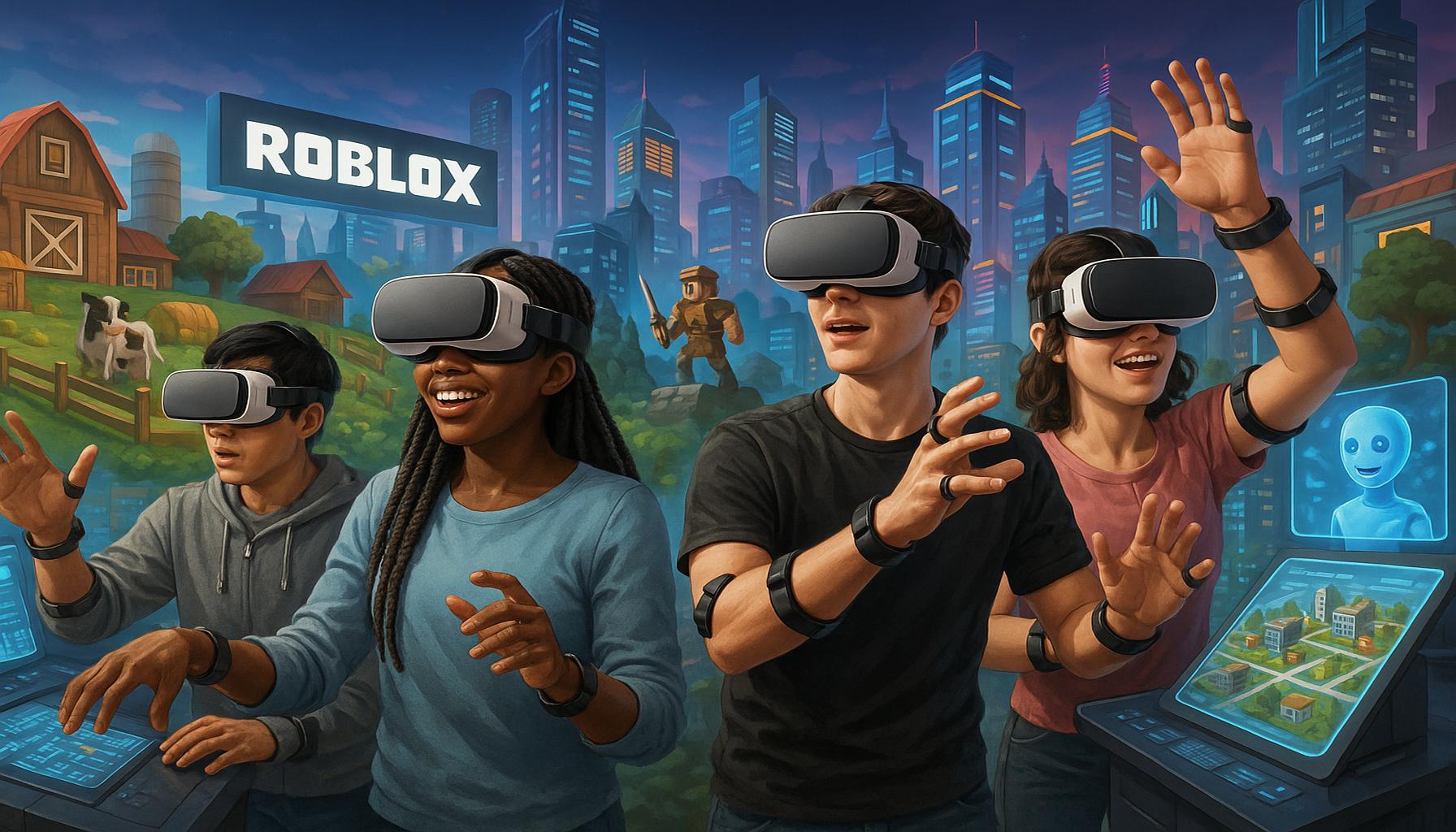
Furthermore, advancements in virtual reality (VR) and augmented reality (AR) technology represent a new frontier for user interactions in simulation games. Although still in the early stages of widespread implementation on Roblox, the potential for immersive experiences through VR and AR can create unparalleled engagement levels. Players could find themselves fully enveloped in their virtual surroundings, significantly enhancing the interactivity and realism of simulation games.
These innovative features highlight a broader trend toward creating richer and more engaging experiences in Roblox simulation games. As developers continue to push the boundaries of user interaction, they create not only dynamic gaming environments but also a strong sense of community among players. Such environments allow creativity and social engagement to flourish, setting a compelling stage for the future development of simulation games on the platform.
CHECK OUT: Click here to explore more
Conclusion
In conclusion, the evolution of user interactions in simulation games on Roblox has demonstrated significant advancements driven by both emerging trends and innovative features. As highlighted throughout this article, the integration of real-time communication tools, cross-platform accessibility, and artificial intelligence has not only transformed the way players engage but has also enriched their gaming experiences. The introduction of structured missions and interactive storytelling has further deepened players’ emotional investment, fostering a sense of community and connection within the gaming environment.
Moreover, the potential of virtual reality and augmented reality technologies hints at a promising future for user interactions on the platform. These advancements could redefine how players experience and connect with simulation games, creating even more immersive and engaging environments. As developers continue to innovate and adapt to the changing needs and preferences of players, simulation games on Roblox are poised to evolve into increasingly complex and collaborative experiences.
Ultimately, the focus on enhancing user interactions underscores the importance of community building and engagement in gaming. As players become more integral to the narrative fabric of these virtual worlds, the Roblox platform will likely continue to serve as a leader in shaping the future of social gaming, ensuring that user interactions remain at the forefront of their development strategy.