
Impacts of Roblox’s Virtual Economy on the Precarization of Digital Work Among Young Creators
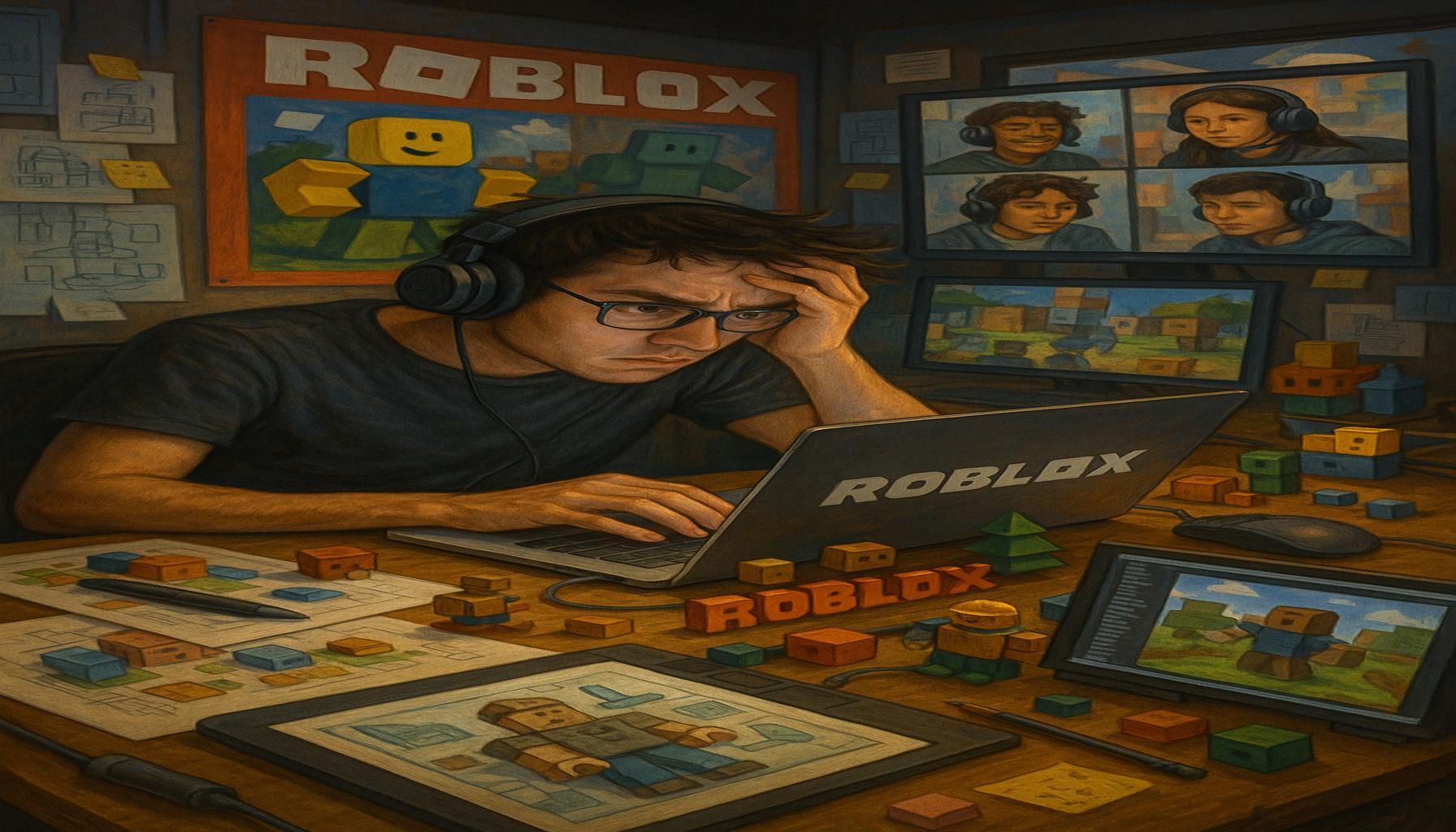
The Transformative Impact of Roblox on Digital Work
The emergence of Roblox’s virtual economy has dramatically altered the digital landscape, particularly for young creators eager to express their creativity while exploring entrepreneurial endeavors. By allowing users not only to build and share their games but also to monetize their creations, Roblox creates a unique environment that not only nurtures imagination but also encourages economic engagement among its user base.
At the heart of this economy lies the Robux currency, which serves as the primary medium for transactions within the platform. Young developers can earn Robux by creating games, selling virtual items, or offering in-game experiences for a fee. This currency can be converted into real money, providing a legitimate revenue stream for dedicated creators. For instance, some developers have transitioned from creating games as a hobby to generating substantial incomes. According to a report from Roblox Corporation, a burgeoning number of developers earn upwards of $100,000 annually, with a select few exceeding a million dollars.
Another critical feature of this ecosystem is the revenue sharing model. Roblox has established a framework where creators can earn a percentage of the revenue generated by their games, incentivizing quality and innovation. This structure fosters a competitive atmosphere in which developers strive to improve their games to attract and retain players. However, this model also leads investors and developers to prioritize profitability, which can sometimes overshadow artistic integrity.
The platform further promotes engagement through the provision of access to tools that simplify game development. The Roblox Studio, for instance, is an intuitive interface designed for users with various skill levels, empowering them to build immersive experiences without extensive programming knowledge. By breaking down barriers to entry, Roblox encourages a diverse array of creators, from novices to seasoned developers, to participate in this vibrant economy.
Challenges in the Virtual Economy
While Roblox’s structure presents numerous opportunities, it is crucial to acknowledge the precarization of digital work within this environment. As creators navigate the advantages of this virtual economy, they face significant challenges that can affect their financial and emotional well-being.
- Unstable income: Earnings are often inconsistent, influenced by game popularity and competition. A sudden influx of new creators can lead to fluctuations in player engagement, and consequently, revenue generation, creating a precarious financial landscape for many developers.
- Market saturation: As the platform garners increasing attention, the number of creators has surged, leading to intense competition. This saturation often results in diminished earning potential for individual developers, particularly those who are unable to distinguish their content amid a crowded marketplace.
- Pressure to innovate: The demand for fresh and engaging content can result in significant pressure for creators, which may lead to creative burnout. Continuous innovation is not only expected but often necessary to maintain player interest and secure meaningful revenue, placing additional strain on developers to perform consistently.
Understanding these complexities is essential for grasping the broader implications of virtual economies like Roblox’s. As digital landscapes continue to evolve, the challenges and opportunities presented by platforms such as Roblox will increasingly shape the future of work for young creators navigating this dynamic economy.
SEE ALSO: Click here to read another article
Understanding the Economic Landscape of Roblox
The economic structure of Roblox presents both opportunities and challenges for young creators, crafting a complex nexus where creativity meets commerce. As a platform that democratizes game development, it offers a unique space for aspiring developers, yet it simultaneously exposes them to the realities of an unpredictable marketplace. The dependency on user-generated content means that creators must constantly adapt to trends and player preferences to secure their financial stability.
A key element in this dynamic environment is the competition among creators. With millions of active users and a rapidly expanding library of games, the race for visibility and player engagement becomes intensely competitive. Developers must leverage unique tactics to stand out, ranging from marketing strategies to innovative gameplay mechanics. This competitive imperative is not without its drawbacks, as it can inadvertently promote a culture of saturation, forcing creators to engage in “copycat” strategies that dilute originality in favor of market viability.
Additionally, the nature of revenue generation on Roblox introduces layers of complexity. Earnings are often derived from in-game transactions, with variable income tied to how players interact with and spend within a game. For young creators, particularly those new to the platform, understanding these financial dynamics is essential. Earnings can fluctuate based on several factors, including:
- Player engagement: The number of active users and their in-game spending habits are critical factors shaping revenue. A sudden decline in user interest can lead to a sharp decrease in earnings.
- Game updates and innovation: Regularly updating games with new features and content is vital for maintaining player interest and maximizing revenue potential. However, this expectation can lead to increased stress and potential burnout among creators.
- Seasonal trends: The platform often experiences peaks and valleys in user engagement based on holidays or trends, impacting a developer’s ability to forecast income effectively.
This variable income dynamic contributes significantly to the precarization of digital work among young creators. Many enter the platform with the hope of making a steady income, yet face the harsh realities of irregular earnings and market volatility. As these young entrepreneurs invest time, effort, and resources into their projects, the risk of financial instability becomes a looming concern. It is crucial to consider how this landscape influences not just individual developers but also the collective understanding of digital work in today’s economy.
As the Roblox platform continues to evolve, the implications for young creators’ financial and emotional well-being remain profound. Understanding how market dynamics impact their work becomes imperative for addressing the challenges posed by the virtual economy. The balance between creative expression and sustainable income remains a pivotal conversation in discussions surrounding the future of digital work within platforms like Roblox.
CHECK OUT: Click here to explore more
The Role of Community and Platform Dependence
A significant aspect of the precarity experienced by young creators on Roblox stems from the platform’s inherent dependence on community engagement and algorithmic visibility. The community aspect is crucial as it creates a double-edged sword for developers; while engagement can drive revenue, it also imposes an ongoing obligation to cater to an audience with shifting tastes. For instance, developers often feel pressured to engage with their player base through social media or within the game itself, fostering an environment where constant interaction is not just encouraged but expected. This can lead to a strain on mental health, as young creators juggle the creative demands of their projects while simultaneously managing community relationships.
Moreover, platform algorithms play a central role in determining which games receive exposure and, subsequently, which developers gain financial success. The algorithms reward frequent updates and high engagement rates, creating a feedback loop where only those creators who can keep pace with rapid changes can hope to succeed. As a result, the disparity between those who can afford the time and resources to perpetually update their games and those who cannot widens, leading to outcomes where a small number of developers dominate the economic landscape. This concentration of success fosters a detrimental environment that emphasizes speed and quantity over creativity and quality, further complicating the sustainability of work in the digital ecosystem.
In addition, the reliance on in-game currency, known as Robux, introduces another layer of complexity. Young creators cannot only depend on their ability to attract players but must also navigate the mechanics of virtual currency exchanges. Roblox has built features that allow for limited monetization; however, the conversion of Robux into real-world currency is subject to stringent regulations and often unfavorable exchange rates that further limit a creator’s income. For instance, creators must accumulate Robux and reach a threshold before they are eligible to convert their earnings, creating a significant barrier to cash flow. This stipulation often leads to delayed financial rewards, which can be particularly distressing for those depending on this income to cover day-to-day expenses.
The culture of success on Roblox also stands in stark contrast to the reality of failure, as unsuccessful games can lead to a significant emotional burden on creators. The pressure to maintain relevance can lead to a cycle of anxiety and strain, compelling creators to prefer quicker project turnaround times devoid of meaningful innovation. This scenario often perpetuates a cycle where young developers are forced to prioritize profitability over passion, further entrenching the precarious nature of digital work in this ecosystem.
Furthermore, lack of industry support, including mentorship or financial literacy programs targeted specifically at young creators, exacerbates the challenges faced by individuals striving to navigate this virtual economy. Without adequate guidance, many creators may find themselves ill-equipped to manage both the creative and business aspects of their work effectively. Implementing educational initiatives focused on financial management, game development best practices, and community engagement could thus play a pivotal role in enhancing the productive capacity of creators on platforms like Roblox.
CHECK OUT: Click here to explore more
Conclusion: Navigating the Challenges of Roblox’s Virtual Economy
The exploration of the impacts of Roblox’s virtual economy on the precarity of digital work among young creators reveals a multifaceted landscape defined by both opportunity and challenge. As evidenced, the dependence on community engagement and platform algorithms creates a competitive environment where only a select few can achieve sustainable success. This concentration of success results in disparities that challenge the viability of digital creators who may lack the resources or knowledge to keep pace with evolving standards.
Furthermore, the reliance on in-game currency exacerbates financial instability, as barriers to converting virtual earnings into real-world income can delay financial rewards, further straining the livelihoods of young developers. The emotional toll associated with the pressure to produce successful projects can lead to a cycle of anxiety, pushing creators toward a model of rapid content production that prioritizes profitability over creative expression.
To mitigate these challenges, a systemic approach is necessary. Stakeholders within the gaming industry, including platform creators, educators, and developers, must collaborate to implement programs designed to enhance the financial literacy and creative skills of young creators. By fostering a supportive ecosystem that emphasizes both community engagement and mental well-being, the industry can work towards an environment that values quality and creativity as essential components of success.
In summary, while Roblox offers vast potential for young creators, it is crucial to recognize and address the inherent pressures of its virtual economy. Only through a concerted effort to empower and support emerging talent can we ensure that the digital work landscape evolves into a more equitable and sustainable space.