
How Real-Time Feedback Can Transform User Interaction in Roblox
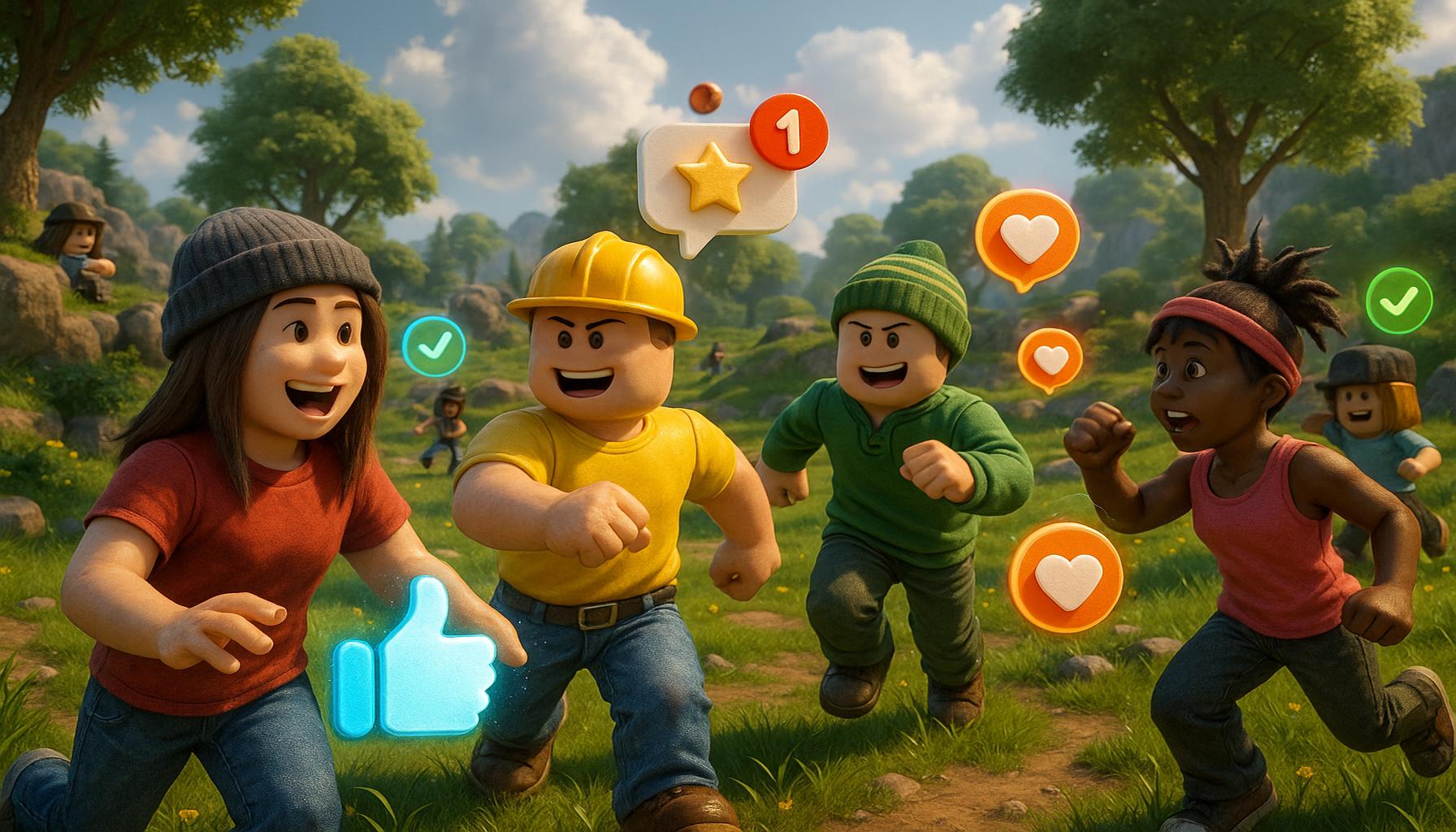
Impact of Real-Time Feedback in Online Gaming
The integration of real-time feedback within online gaming platforms represents a pivotal advancement that has significantly enhanced user engagement and satisfaction. In virtual environments like Roblox, this capability allows for immediate player responses, thus cultivating a more interactive and immersive gaming experience. This evolution in gameplay mechanics is not merely a fleeting trend; it forms the bedrock of contemporary game design practices, directly shaping how users connect with and derive enjoyment from the platform.
Key Benefits of Real-Time Feedback in Roblox
Real-time feedback mechanisms offer a range of advantages that are crucial for the gaming ecosystem on platforms such as Roblox. Some of these benefits include:
- Enhanced user engagement: Players are instantly notified when they achieve specific milestones or objectives. For instance, when a player completes a quest or levels up, an on-screen message can appear congratulating them, which serves as both a reward and an encouragement to continue participating in the game.
- Improved learning curve: New users often face challenges as they learn the intricacies of gameplay. Real-time feedback presents opportunities for these players to receive tailored guidance. For example, prompts may suggest strategies or highlight crucial elements of gameplay based on their current performance, helping them adapt more rapidly.
- Community building: The social component of gaming is amplified through immediate reactions and interactions from peers. Players can support each other by providing instant feedback on each other’s performances, which fosters collaboration and strengthens social ties among users.
Forms of Real-Time Feedback Mechanisms
Real-time feedback can manifest in various ways, enriching the gaming experience and driving user participation.
- Visual indicators: Notifications such as pop-up messages or visual alterations in the game interface provide players with immediate recognition of their actions and achievements.
- Audio cues: Incorporating specific sounds that signify accomplishments or warn players of potential dangers can enhance immersion and prompt quick reactions, further enriching gameplay dynamics.
- Dynamic game alterations: The game mechanics can shift in real time based on player interactions. For example, if a player consistently fails at a certain level, the game might offer an easier route or optional hints, making the experience more accommodating.
Incorporating these features into gameplay not only enhances the enjoyment derived from it but also fosters a robust community of players who feel both empowered and connected. As Roblox and similar platforms continue to innovate, the adoption and refinement of real-time feedback systems will remain essential for maximizing user satisfaction and ensuring sustained interaction among players.
SEE ALSO: Click here to read another article
Evolving User Experience Through Real-Time Feedback
The application of real-time feedback mechanisms within Roblox is revolutionizing user experiences by fostering a participatory environment where players are not only consumers of content but also active contributors to the gaming narrative. This shift in interaction style enhances the emotional investment players have in their gaming experiences. As the platform has grown, so has the necessity for tools that facilitate instant communication of successes, failures, and required improvements, all crucial for maintaining competitive and engaging gameplay.
Establishing Clear Communication Channels
Real-time feedback systems create dynamic communication pathways between the game and its players. These feedback channels enable developers to understand player experiences in real-time and adjust gameplay accordingly. Several key aspects illustrate how robust feedback mechanisms can aid in this endeavor:
- Immediate player recognition: By celebrating player achievements with instant notifications, developers can instill a sense of accomplishment. For instance, a player may receive an on-screen alert when they exceed a certain score or discover a hidden item, enhancing their sense of progress.
- Targeted suggestions: When players struggle in particular areas, real-time feedback can offer customized hints or tips based on their performance history. This level of personalization helps newbies navigate through complex tasks or challenges more effectively, resulting in a smoother learning experience.
- Adaptability of gameplay: The incorporation of feedback allows games to adjust the difficulty level based on players’ performance. If a player is encountering repeated failure, the system might automatically modify the challenge to ensure continued engagement without leading to frustration.
Such enhancements not only assist players in overcoming obstacles but also encourage them to remain engaged for longer periods. They feel empowered by the recognition and support provided through real-time feedback, transforming their gaming sessions into rewarding experiences rather than mere trials.
Utilizing Feedback to Drive Game Evolution
Roblox developers can use data from real-time feedback to inform game design and updates. By analyzing how players interact with different elements of their games, developers gain insights into gameplay mechanics that work well and those that may require reworking. For example, if analytics reveal that users frequently disengage from a particular type of challenge, developers can leverage real-time player data to adjust the mechanics or introduce new, more engaging elements. This iterative approach ensures a continuously evolving game that resonates with its audience.
In conclusion, real-time feedback mechanisms serve as invaluable tools for enhancing user interaction in Roblox. By fostering clear communication, providing tailored support, and driving game evolution, these systems not only enrich the gaming landscape but also contribute to the development of a loyal and active player community.
CHECK OUT: Click here to explore more
Enhancing Community Engagement and Collaboration
The advent of real-time feedback mechanisms not only streamlines gameplay but also significantly enhances community engagement within Roblox. The ability for players to interact and communicate in real-time fosters a collaborative environment that encourages teamwork, creativity, and shared experiences. Key mechanisms supporting this trend include:
- Interactive social features: Players can give instant feedback to friends or fellow gamers, sharing their thoughts about gameplay or strategies. Features like chat systems and emoticons allow players to express reactions immediately, which can lead to collaborative problem-solving and the formation of tighter-knit gaming communities.
- Live events and tournaments: Real-time feedback is crucial during live competitive events, where players can receive immediate insights about their performance from both the game and fellow participants. These events can foster a sense of community as players rally together, enhancing their investment in the gaming experience. Seeing real-time updates or leaderboards during these events can motivate players to improve and engage further.
- Crowdsourced content creation: The incorporation of real-time feedback allows players to suggest edits, report bugs, or propose new features while actively engaged in gameplay. This crowdsourcing approach empowers players to feel invested in the game’s evolution, as they can witness their contributions making a tangible impact.
Such community-centric features cultivate a sense of belonging among players, which is particularly significant in a platform like Roblox, where the audience is diverse and spans different age groups. Community-driven initiatives, enabled by real-time feedback, can lead to innovative ideas and improvements that resonate well with the player base.
Data-Driven Personalization and User Retention
Real-time feedback allows for a level of data-driven personalization that can significantly enhance user retention. By collecting data about individual player choices, behaviors, and feedback in real time, developers can create a tailored gaming experience to suit unique preferences. This individual approach enables developers to unlock features that cater specifically to players’ interests or frustrations, ultimately leading to higher engagement rates.
Several strategies emerge from analyzing data garnered through real-time feedback:
- Personalized in-game rewards: Based on players’ interactions, developers can offer unique incentives or rewards tailored to a user’s playing style. For example, a player who excels in puzzle-solving could receive exclusive access to challenging puzzles or additional hints to enhance their experience.
- Dynamic tutorials and onboarding experiences: New players often face a steep learning curve. By leveraging real-time feedback, developers can alter the onboarding experience dynamically. If a player struggles with specific mechanics, the tutorial can automatically adjust to provide additional guidance in that area.
- Enhanced social connections: By utilizing data about how players interact with each other, insights can be drawn to form new connections. Players with similar interests or gameplay styles could be matched together, creating an atmosphere that promotes collaboration and social engagement.
These data-driven tactics not only enhance gameplay but also serve to deepen the relationship between players and the game itself. When players feel that their unique experiences are acknowledged and celebrated, their likelihood of returning to the platform significantly increases, laying the groundwork for a vibrant and committed player community.
SEE ALSO: Click here to read another article
Conclusion
In summary, the implementation of real-time feedback mechanisms within Roblox holds immense potential to redefine user interaction on the platform. By enhancing community engagement and fostering collaboration, players are encouraged to actively participate in a rich and inclusive gaming environment. For instance, features such as live polls during game events allow players to voice their preferences, directly influencing game elements in real time. This dynamic exchange fosters not only excitement but also a personal connection to the games being played.
The platform also excels in offering interactive features like live events where developers can showcase new game mechanics or content updates. These events often include Q&A sessions, allowing players to provide immediate feedback, which can be instrumental for developers. Additionally, crowdsourced content creation encourages players to contribute their creative ideas, thus empowering them to take ownership of their gaming experience. Such opportunities resonate across diverse age groups and interests, from younger audiences who enjoy social interaction to older users seeking sophisticated gameplay.
Furthermore, the power of data-driven personalization significantly enhances user retention by tailoring experiences to individual preferences. Real-time feedback allows developers to analyze player interactions and adapt the gaming experience dynamically. For example, a player who frequently engages with certain game types can be offered personalized rewards that align with their interests, leading to more engaging gameplay through tailored content, dynamic tutorials, and strategic matchmaking. Ultimately, players are more likely to revisit a platform that not only acknowledges their unique experiences but actively caters to their gaming needs and preferences.
The integration of real-time feedback mechanisms in Roblox is not merely a feature; it represents a transformative approach that can significantly improve player satisfaction and longevity. As developers continue to refine these systems, they should remain focused on creating innovative solutions that elevate user interaction. This focus will not only shape a vibrant gaming community but also promote collaboration and shared enjoyment among players. The continuous enhancement of real-time feedback will pave the way for a future where each gaming experience is uniquely crafted, ensuring that players feel valued and engaged in the expansive universe of Roblox.