
Exploring the Sustainability of Roblox’s Virtual Economy: Business Models and the Future of Digital Commerce
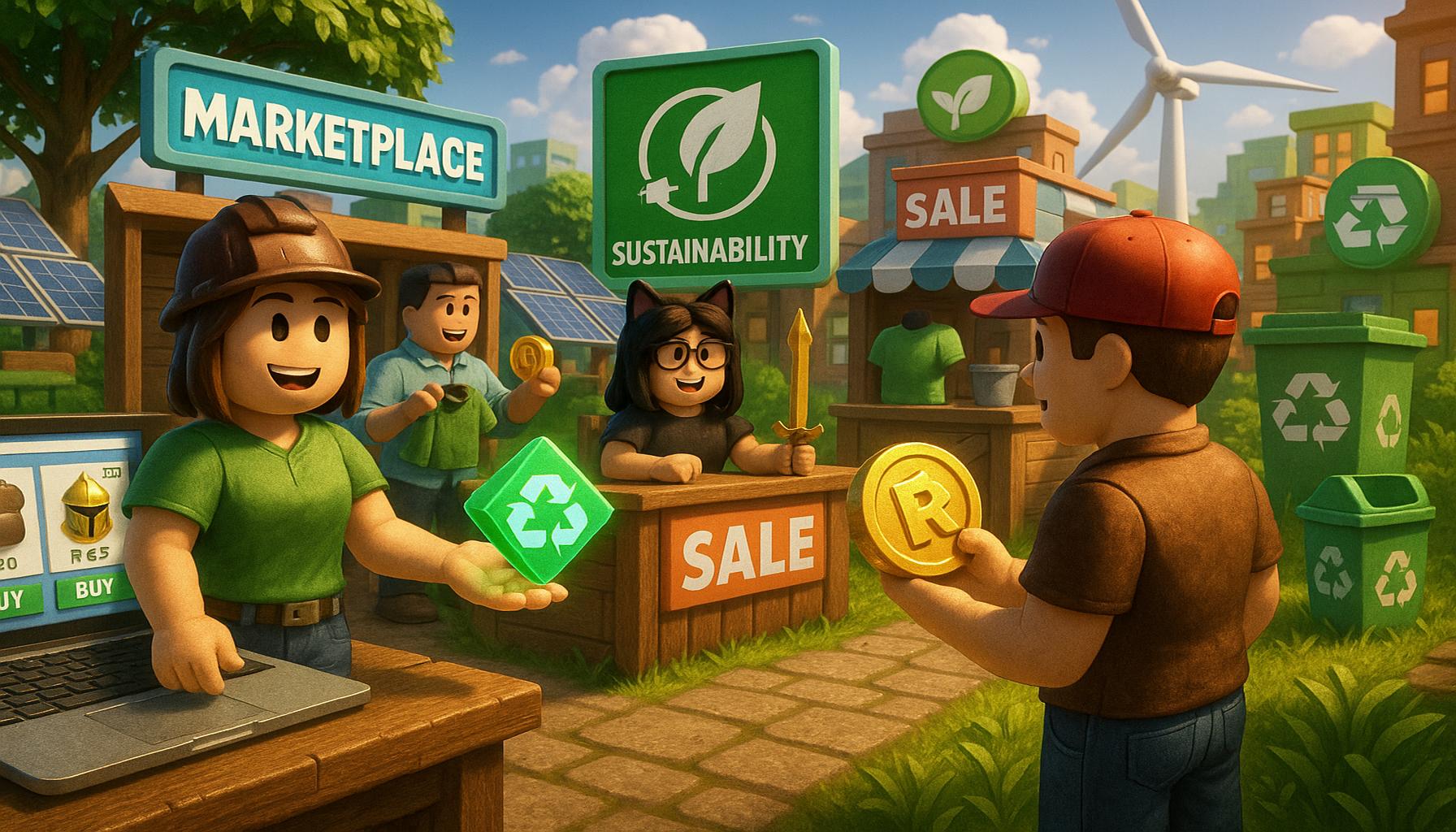
Understanding the Digital Economy of Roblox
The transformative evolution of the digital landscape has given rise to innovative platforms that blur the lines between gaming, social interaction, and commerce. One such platform is Roblox, which not only serves as a gaming hub but also functions as a comprehensive virtual economy that appeals to millions of users globally. Its ecosystem integrates the creativity of users with economic activities, thereby fostering an environment that thrives on both engagement and financial transactions.
A fundamental aspect of this virtual economy is user-generated content. Roblox allows players to become developers by designing and publishing their games and virtual products. This feature empowers individuals to contribute creatively while also tapping into a potential revenue stream. For instance, many successful Roblox creators have turned their hobby into a full-time profession, earning substantial incomes by selling virtual items such as clothing, accessories, and game passes. Some notable creators have reported earnings exceeding $1 million, underscoring the lucrative potential within this creative space.
The importance of virtual currency, specifically Robux, cannot be overstated. This in-game currency facilitates transactions between players and developers, enabling a seamless flow of commerce within the platform. Players earn Robux through various means, including completing in-game tasks or selling their own creations. Developers can then convert Robux into real-world currency through Roblox’s Developer Exchange program, which incentivizes quality game development and rich user experience.
An essential dimension of this virtual economy is the concept of microtransactions. These small purchases allow players to buy items or upgrades that enhance their gaming experience, thereby contributing to the overall revenue generated on the platform. For example, players may spend a few Robux to acquire exclusive outfits for their avatars or unlock special abilities within a game. The prevalence of microtransactions in Roblox highlights a significant trend in the gaming industry, where players are often willing to spend money for minor enhancements that personalize and enrich their gameplay.
Roblox’s economy is not without its challenges. The platform must continually address issues such as content moderation, ensuring that user-generated content adheres to community guidelines and maintains a safe environment for younger users. Additionally, developers face the challenge of standing out in a crowded marketplace, where countless games compete for user attention. However, with a robust system in place and millions of active users engaging daily, Roblox thrives as a frontrunner in digital commerce.
As businesses and aspiring entrepreneurs consider entering this burgeoning space, it is crucial to thoroughly assess the unique opportunities and challenges posed by Roblox’s economic model. The platform not only represents a new frontier for gaming but also serves as a blueprint for how digital economies can operate, leveraging creativity and interaction to drive financial viability.
SEE ALSO: Click here to read another article
Business Models within Roblox’s Virtual Economy
Roblox’s virtual economy is supported by intricate business models that facilitate interaction between users, creators, and the platform itself. This interconnectedness not only enhances user engagement but also leads to diversified revenue avenues for developers and Roblox Corporation. Understanding these business models is essential for assessing the long-term sustainability of the ecosystem.
At the heart of its business structure is the Developer Exchange program (DevEx), which allows developers to convert Robux into real currency. This program is central to incentivizing high-quality game creation and promoting a vibrant development community. Roblox retains a portion of each transaction, ensuring its profitability while simultaneously rewarding developers for their contributions. This arrangement creates a symbiotic relationship where both the platform and its creators benefit from shared success. Key components of the business model include:
- User Engagement: By providing development tools and support, Roblox encourages users to create and monetize their content, sustaining a continuous cycle of innovation and interaction.
- Revenue Sharing: The split between Roblox and developers from Robux transactions fosters a collaborative environment, promoting quality content that attracts more players.
- Subscription Services: Premium memberships, such as Roblox Premium, grant users additional benefits, including monthly Robux, exclusive items, and enhanced creation tools, further driving revenue for the platform.
Another significant aspect of the Roblox economy is its advertising model. Brands are increasingly tapping into the platform’s extensive user base, leveraging partnerships with popular creators to generate immersive marketing campaigns targeting younger audiences. These collaborations often take the form of in-game events, branded items, or virtual experiences that resonate with players, cultivating a sense of community and brand loyalty. As such, both developers and Roblox are positioned to benefit from the capitalization of advertising deals.
Moreover, the concept of virtual real estate is gaining traction within Roblox’s ecosystem. Creators can purchase and develop virtual land, offering it for sale or lease to other developers or players. This phenomenon enables individuals to explore entrepreneurial ventures in the metaverse, cultivating a real estate market that resembles transactions in the physical world. As the popularity of the platform increases, so does the potential for substantial financial returns on virtual properties.
Despite these promising business models, the sustainability of Roblox’s virtual economy is subject to external factors and market trends. The platform must adapt to shifting consumer preferences, technological advancements, and competition from other gaming and virtual environments. Developers are also tasked with the challenge of creating content that continuously attracts and retains players, ensuring that their revenue streams remain viable.
To summarize, Roblox’s thriving economy is based on well-structured business models that promote collaboration and incentivizes creativity. The ongoing evolution of these economic frameworks and their ability to adapt to challenges will ultimately dictate the future trajectory of digital commerce within the platform.
CHECK OUT: Click here to explore more
Challenges and Opportunities for Sustainability
While Roblox’s virtual economy exhibits notable strengths, it also faces various challenges that could impact its sustainability. Understanding these challenges, coupled with the inherent opportunities, is crucial for stakeholders invested in the platform’s longevity.
One significant challenge lies in monetization fatigue. As users adapt to the abundance of microtransactions inherent within the platform, there is a risk that the initial excitement around in-game purchases and premium items may wane. Developers must therefore innovate continually, introducing engaging features and unique content to maintain player interest and justify expenditures. This includes not only enhancing gameplay but also creating memorable experiences, tapping into trends such as immersive storytelling and user-driven narratives, which have the potential to enhance monetization through deeper engagement.
Moreover, community moderation presents both a challenge and an opportunity. The vast user-generated content on Roblox necessitates robust systems to manage inappropriate behavior and maintain a safe environment for a primarily younger audience. Continuous investment in moderation tools and community guidelines is essential for fostering a trusted platform. Roblox’s ongoing efforts in this realm, including the integration of artificial intelligence to detect harmful content, underscore the platform’s commitment to maintaining a conducive environment for creator and user engagement.
Another consideration is the regulatory environment surrounding digital economies and online transactions. The growing scrutiny by governments and regulatory bodies regarding data protection, user privacy, and consumer rights may lead to increased compliance costs and operational adjustments. Companies must be proactive in adapting to such regulations to mitigate any adverse effects on their revenue streams. Additionally, the implementation of robust data protection policies ensures that users’ data is safeguarded, thus maintaining trust and confidence in the platform.
On a more positive note, the expansion of the metaverse concept heralds significant opportunities for Roblox. As various sectors increasingly recognize the potential of virtual spaces for commerce, marketing, and social interaction, Roblox is well-positioned to become a leading player in the digital economy. The platform can harness this potential through partnerships with brands seeking to establish a presence in virtual environments, expanding its offerings and creating integrated experiences that blend entertainment with real-world commerce.
The evolution of technologies, such as augmented reality (AR) and virtual reality (VR), presents further avenues for innovation within Roblox’s ecosystem. By integrating these technologies, developers can enhance user experiences, leading to more engaging gameplay and potentially higher revenues. Such advancements could solidify Roblox’s reputation as a forward-thinking platform where developers can leverage cutting-edge technology to create compelling content.
In terms of competitive positioning, Roblox must continue to innovate while monitoring competitors. The surge of new platforms focusing on user-generated content requires Roblox to emphasize its unique features, such as easy accessibility for users without extensive coding knowledge, ensuring that creators feel empowered to produce compelling experiences. This adaptive strategy could bolster its market share against emerging rivals.
Ultimately, the sustainability of Roblox’s virtual economy hinges on its ability to navigate challenges while exploiting new opportunities. Balancing user engagement with the evolving landscape of digital commerce will be paramount in shaping its future economic viability.
CHECK OUT: Click here to explore more
Conclusion
In summary, the sustainability of Roblox’s virtual economy is a multifaceted matter that involves the interplay of various challenges and opportunities. As the platform continues to thrive in an age of rapid technological advancement and evolving consumer expectations, stakeholders must adopt proactive strategies to safeguard its future. A pivotal component of maintaining user engagement is for developers to cultivate innovative content that not only captivates users but also enhances the overall user experience, countering the potential threat of monetization fatigue.
Additionally, addressing community moderation and ensuring a safe environment for its predominantly young audience remains imperative. By investing in advanced moderation tools and policies, Roblox can foster trust and encourage positive user interactions. Furthermore, adhering to an increasingly stringent regulatory environment is crucial to avoid disruptions in business operations and maintain consumer confidence.
Looking towards the future, the promising landscape of the metaverse presents Roblox with myriad opportunities to expand its user base and collaborate with brands seeking to innovate in the virtual sphere. Incorporating emerging technologies like AR and VR will likely enhance user experiences and create new revenue streams, reinforcing Roblox’s standing as a leader in the digital commerce ecosystem.
As such, the path forward demands a balance between navigating inherent challenges and leveraging new opportunities. By continually adapting to these dynamics and prioritizing the needs of both creators and users, Roblox can secure its position in the evolving landscape of virtual economies and digital commerce, ensuring its long-term viability and success.