Development of Inclusive Games in Roblox: Strategies to Improve User Interaction with Disabilities
Importance of Inclusivity in Gaming
As technology continues to advance, the gaming landscape has become more dynamic and interactive, especially with platforms like Roblox. This burgeoning platform has opened avenues for users of all ages and backgrounds, allowing them to explore creativity through game development. However, one critical aspect that remains at the forefront of consideration is accessibility for users with disabilities. Ensuring that gaming experiences are inclusive allows the community to grow in a way that embraces all players, regardless of their physical or cognitive abilities.
Accessibility Features
Accessibility features are foundational elements in game development that cater specifically to players with disabilities. For instance, implementing text-to-speech functionality allows visually impaired players to engage with game content seamlessly. Similarly, offering customizable controls can aid those with limited dexterity by facilitating actions that best suit their physical capabilities. Moreover, color-blind modes, which alter the color palette of games, can help players with visual impairments to differentiate between objects and navigate in-game environments more effectively.
Community Engagement
To create truly inclusive games, it is vital to engage with players with disabilities throughout the game design process. By actively consulting gamers with disabilities, developers can gain firsthand insights that inform the design of features and mechanics tailored to meet diverse needs. For example, conducting workshops or focus groups can direct attention to specific challenges faced by these players. Engaging them not only enriches the development cycle but also fosters a sense of belonging within the gaming community.
Inclusive Tutorials
Creating inclusive tutorials can significantly enhance the accessibility of a game. Tutorials serve as the first point of contact for players learning how to play, and they should be crafted to cater to various learning styles. For instance, providing visual cues accompanied by text and audio instructions ensures that all players, regardless of their learning preferences or disabilities, can understand the game mechanics. This multifaceted approach not only aids users with disabilities but also benefits the entire player base by simplifying complex concepts.
Feedback Mechanisms
Establishing robust feedback mechanisms is crucial for continuous improvement in game accessibility. Developers should create dedicated channels, such as forums or surveys, where players can easily provide feedback regarding accessibility features and report on any difficulties encountered during gameplay. Actively soliciting this feedback and implementing reasonable suggestions demonstrates a commitment to fostering an inclusive environment. For example, incorporating regular updates based on player feedback can make a significant difference in how well the game adapts to its players’ needs.
Conclusion
By prioritizing these strategies, developers can transform the Roblox experience into one that is not only engaging but also universally accessible. Research has consistently shown that an inclusive design approach not only benefits players with disabilities but also subsequently enriches the gaming experience for all users. The time is ripe for developers to embrace these changes, making a concerted effort to ensure that every player feels welcome and valued within the Roblox community.
CHECK OUT: Click here to explore more
Key Principles of Game Design for Accessibility
Creating an inclusive gaming experience in Roblox requires a comprehensive understanding of the key principles of game design that prioritize accessibility. Developers must incorporate these principles throughout the game development lifecycle to ensure all players, including those with disabilities, can enjoy the game. Below are some essential guidelines for implementing accessible game design:
- Universal Design: This approach focuses on creating products that are usable by the widest range of potential users without the need for adaptation. In gaming, this means considering varying levels of ability during the initial design phase, rather than treating accessibility as an afterthought.
- Feedback and Interaction: Providing clear and immediate feedback is vital, especially for players with cognitive disabilities. This can be achieved through auditory signals, visual prompts, or haptic feedback that indicates successful actions or errors, thus guiding players effectively.
- Scalable Difficulty: Introducing elements of adjustable difficulty can help accommodate players of all skill levels. This allows users with disabilities to engage with the game at their own pace, reducing frustration and promoting a more enjoyable experience.
- Clear Navigation: Designing intuitive navigation systems can greatly enhance accessibility. Routes and objectives should be clearly articulated through visual markers or audio cues, ensuring players with various disabilities can navigate the game environment with ease.
- Consistent UI Design: Maintaining a consistent user interface (UI) throughout the game helps minimize confusion. Familiar layouts, color schemes, and control schemes assist users in adapting to the game quickly, which is crucial for those who may struggle with memory or attention issues.
Collaboration with Nonprofit Organizations
Collaborating with nonprofit organizations that focus on the needs of people with disabilities can provide invaluable insights into the creation of inclusive games. These organizations often possess extensive knowledge and resources related to accessibility and can guide developers in best practices. Forming partnerships with experts in the field can lead to the development of comprehensive accessibility features tailored to a diverse audience.
By leveraging the expertise of organizations that advocate for disabled individuals, developers can better understand the specific challenges that their games should address. This collaboration not only enhances the developmental process but also signifies a commitment to inclusivity, potentially fostering goodwill within the gaming community. Each game created with these principles and partnerships in mind can serve as a model for others, encouraging a broader movement towards accessibility in the gaming industry.
Incorporating these strategies into the development of inclusive games in Roblox can pave the way for an enriched gaming experience. Developers are called upon to consider a wide range of disabilities and ensure that their games are enjoyable and accessible to all players. Ultimately, prioritizing accessibility is a step toward fostering a more diverse and inclusive community within the realm of gaming.
CHECK OUT: Click here to explore more
Implementing Technology for Enhanced Accessibility
As the digital landscape continues to evolve, advancements in technology offer innovative solutions to enhance accessibility in gaming spaces like Roblox. By embracing these emerging technologies, developers can create experiences that cater to a broader range of disabilities, ensuring that all players have an equitable opportunity to engage. Below are several key technologies and methodologies that can be integrated:
- Voice Recognition and Chat Systems: Implementing voice recognition technology enables players with limited mobility to navigate games and communicate with others using voice commands. In addition, providing customizable chat systems allows for alternatives to traditional text chat, catering to players with vision impairments by enabling audio descriptions of game content.
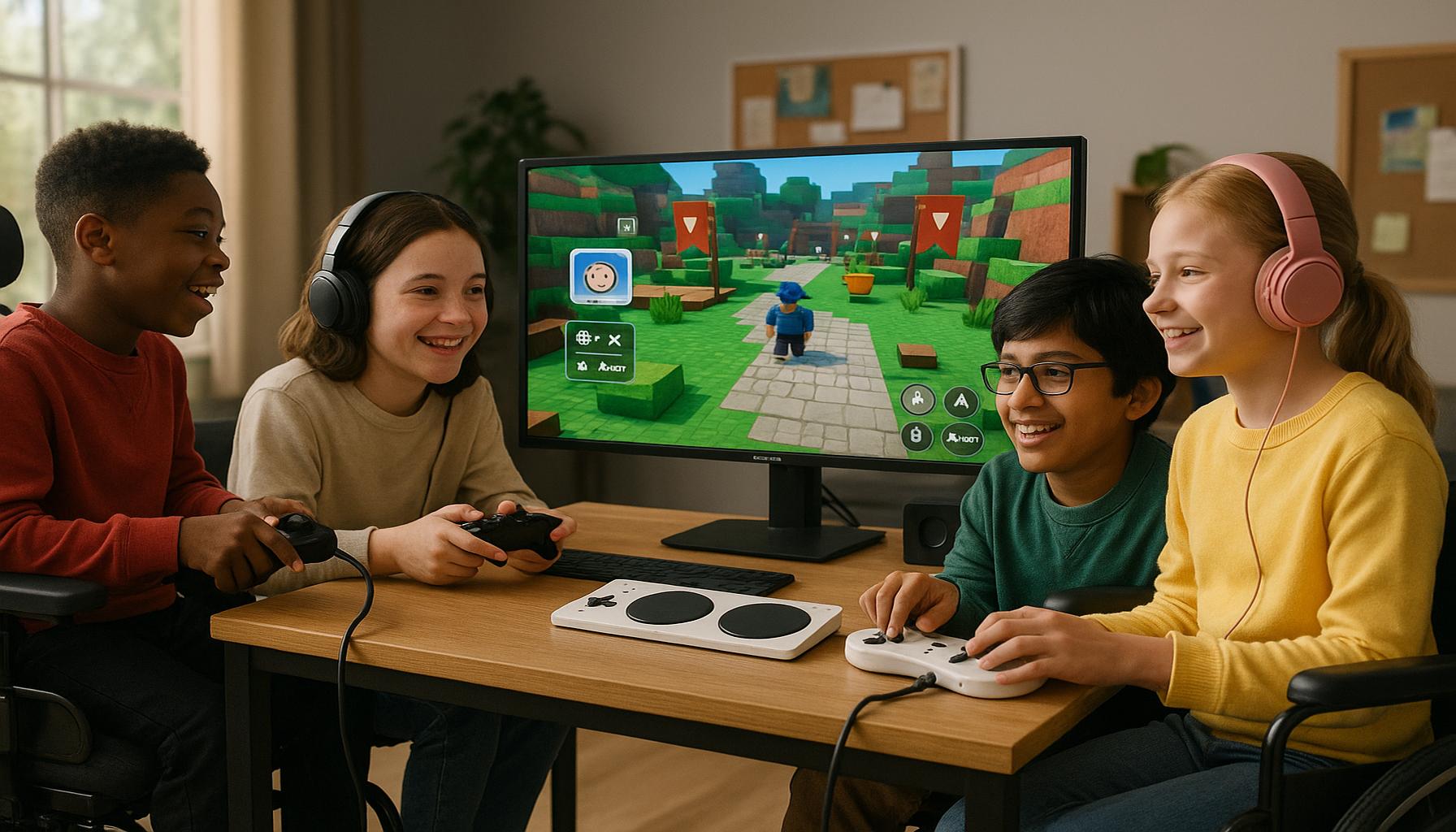
- Adaptive Controllers: Supporting adaptive controllers and other assistive devices can enhance gameplay for individuals with varying physical abilities. Developers should consider compatibility with devices that allow users to play using a variety of inputs, such as switches or eye-tracking systems. This consideration expands the demographic of players who can comfortably interact with the game.
- Screen Readers: For players with visual impairments, integrating support for screen readers becomes essential. These tools convert text and other visual information into auditory form, enabling visually impaired individuals to access game content. Checking for compatibility with popular screen reader applications can ensure a smoother experience.
- Text-to-Speech and Speech-to-Text Features: Incorporating text-to-speech for in-game text and speech-to-text for allowing player communication can be significant for users with disabilities. By facilitating communication between players who may struggle with typing or reading, these features can enhance social interaction and teamwork in gaming scenarios.
Testing and Feedback from Diverse User Groups
Conducting thorough user testing with individuals from diverse backgrounds, especially those with disabilities, is critical to refining the accessibility features of games. Developers should engage with these communities early in the design process to gain firsthand insights into their experiences and challenges within the gaming environment.
Effective testing goes beyond gathering feedback; it involves iterating on designs based on real user interactions. This iterative process allows developers to understand which accessibility features enhance gameplay and which may require further refinement. It’s essential to create an environment where individuals with disabilities feel comfortable sharing their thoughts and suggestions, leading to constructive dialogue that can dramatically improve the gaming experience.
Surveys and focus groups can also serve as valuable tools for gathering input during and after the game development cycle. Developers should employ structured approaches to analyze this feedback, ensuring data-driven decisions lead to actionable improvements in game design. Providing incentives for participation can further encourage engagement from diverse user groups, particularly those who are often underrepresented in gaming discussions.
Community Involvement and Support Networks
Building a supportive community within Roblox that promotes inclusivity is an essential aspect of creating accessible games. Encouraging players to collaborate in testing features and sharing accessibility resources fosters an environment where diverse experiences are valued and respected. Developers can create platforms or forums that focus on discussion related to accessibility, thus allowing users to share their insights and experiences.
Additionally, establishing mentorship programs to connect novice developers with experienced individuals who are knowledgeable about accessibility can enhance understanding and skills within the community. By nurturing these relationships, developers can learn best practices and successfully implement them in their projects, ultimately contributing to a richer and more inclusive gaming ecosystem.
Overall, the development of inclusive games in Roblox hinges on the thoughtful integration of technology, continuous user feedback, and the cultivation of a supportive community. By adopting these strategies, developers can make substantial strides in improving user interaction for players with disabilities, contributing to a more equitable gaming landscape.
SEE ALSO: Click here to read another article
Conclusion
The advancement of inclusive games within the Roblox platform represents a significant opportunity to foster a more accessible gaming environment for individuals with disabilities. Through the strategic integration of cutting-edge technology and adaptive methodologies, developers can not only widen the gaming demographic but also enhance the overall user experience. Emphasizing the importance of voice recognition, adaptive controllers, screen reader compatibility, and communication features underscores a commitment to inclusivity, ensuring that all players can engage meaningfully with their peers.
Moreover, the ongoing feedback from diverse user groups is vital in refining these accessibility features. Actively involving the disability community in the design and testing phases allows developers to gather real-world insights that inform the creation of more user-centric gaming experiences. Harnessing surveys, focus groups, and structured feedback mechanisms can lead to actionable improvements and iterative developments that meet the unique needs of players with disabilities.
Lastly, cultivating a supportive community that prioritizes collaboration and resource-sharing not only enhances the development process but also fosters an atmosphere of respect and understanding. With mentorship programs and active discussions focused on inclusivity, the Roblox community can collectively work toward a gaming landscape that celebrates diversity. In conclusion, the commitment to developing inclusive games in Roblox is not just an ethical imperative; it is a pathway to enriching the gaming experience for everyone, thereby promoting a future where all players, regardless of ability, can thrive and enjoy their time within this vibrant digital universe.

Linda Carter
Linda Carter is a writer and Roblox content specialist with a strong focus on gaming experiences, strategies, rewards, and everything the platform has to offer. With extensive experience helping players better understand Roblox and make the most of its features, Linda shares her knowledge on our platform. Her goal is to provide readers with practical tips and useful strategies to improve gameplay, discover new opportunities, and fully enjoy the Roblox universe.