The Evolution of User Interaction in Roblox: From Game Creation to Social Immersion
The Evolution of Roblox in User Interaction
The gaming industry has seen unprecedented changes in recent years, especially with the emergence of platforms like Roblox that prioritize user interaction. Since Roblox launched in 2006, it has experienced a notable transformation, revolutionizing not only the way games are created but also how users engage with one another within a vibrant online community.
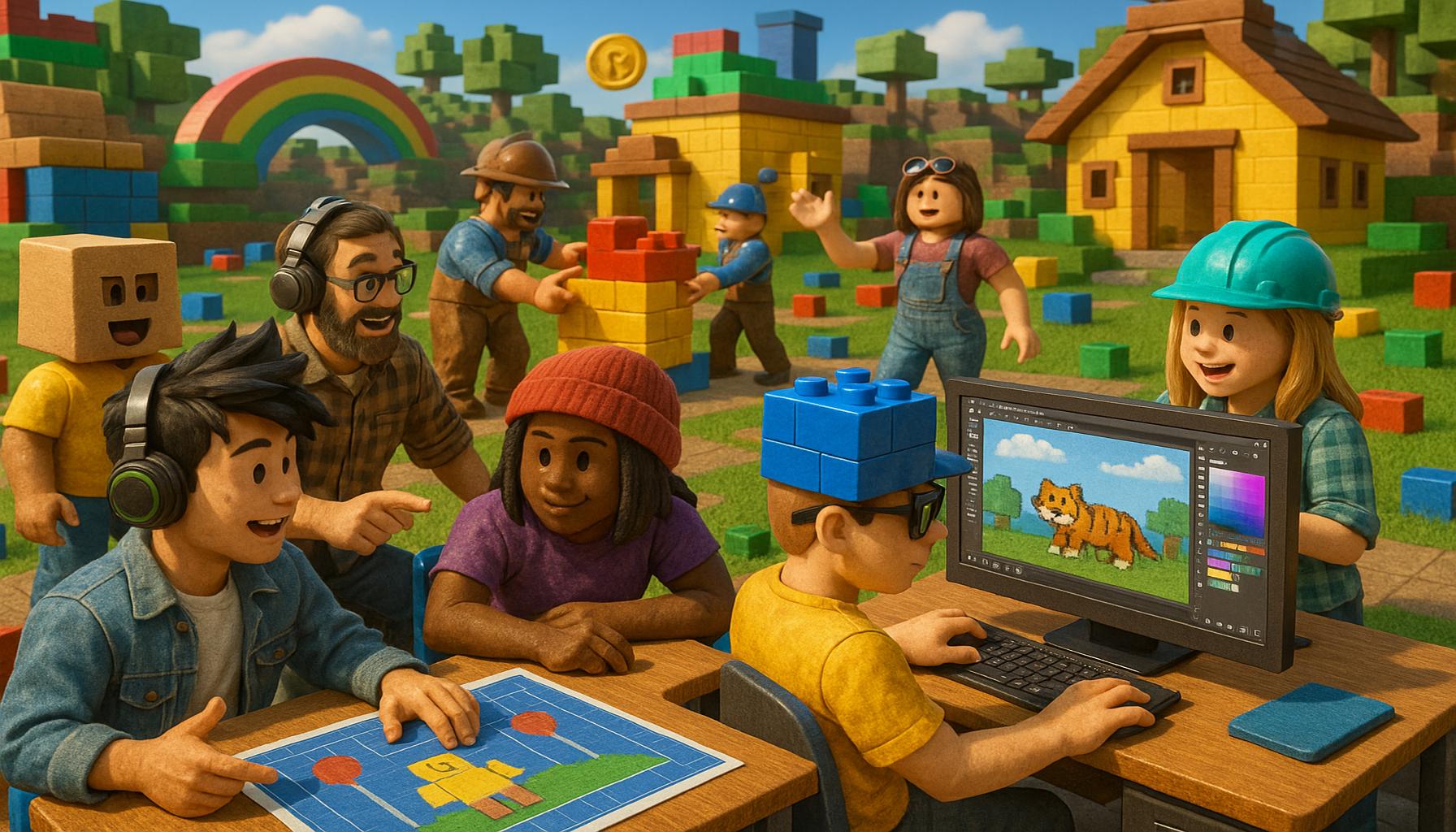
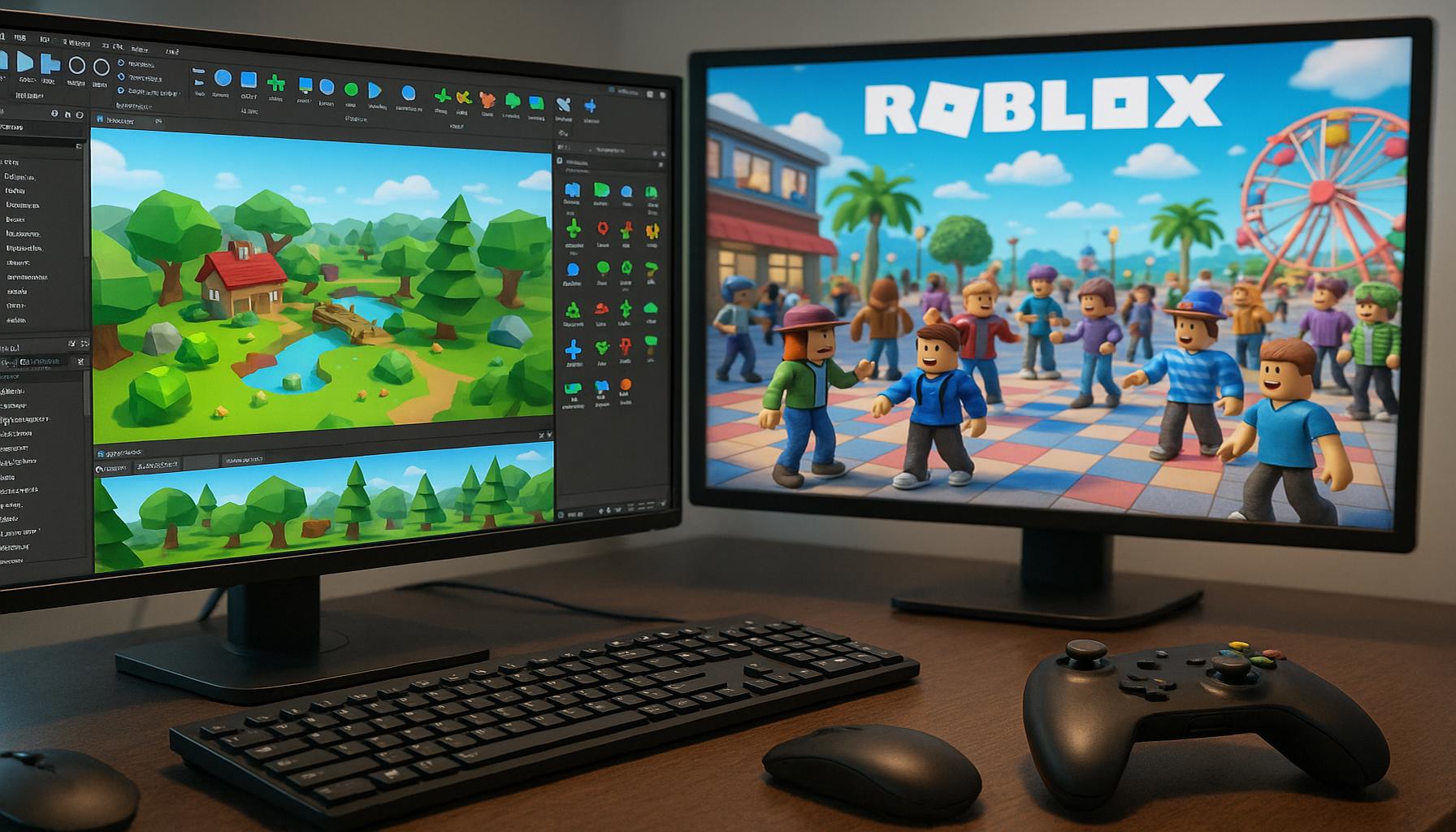
One of the key milestones in this evolution is the introduction of user-friendly game creation tools. Roblox offers developers access to a comprehensive suite of tools that simplify the game development process. With the platform’s integrated development environment, known as Roblox Studio, even those with minimal coding experience can design complex games. For instance, users can leverage pre-built templates and easy drag-and-drop functionalities to create immersive worlds, from obstacle courses to expansive simulations. This accessibility has dramatically lowered the barrier to entry for many users, sparking a surge in creative game development.
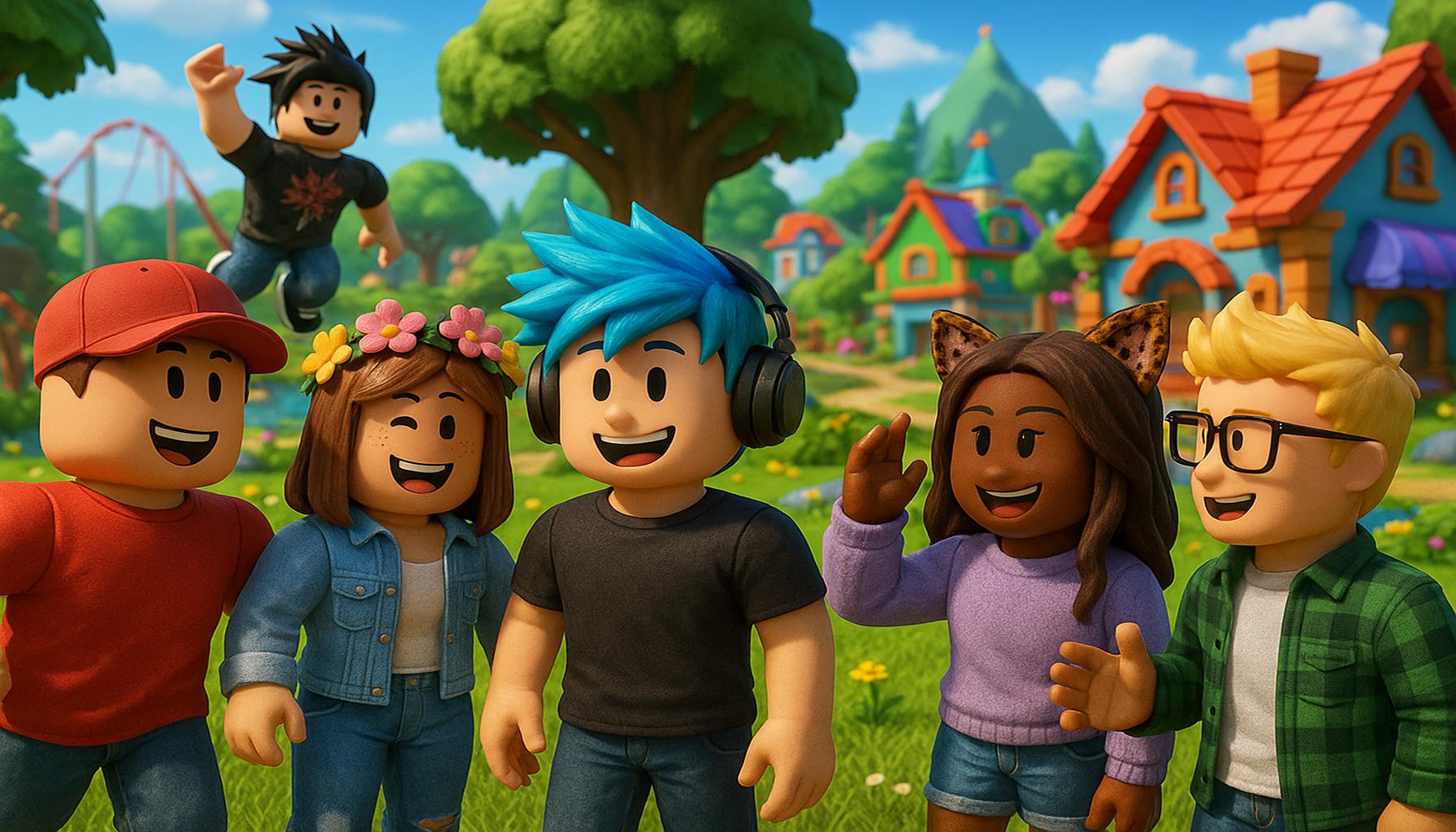
Another significant aspect is the formation of dynamic communities within the Roblox ecosystem. Players and developers frequently collaborate, share ideas, and provide feedback, fostering an environment of creativity and innovation. Communities, such as those formed around popular games or genres, often host events and competitions, motivating users to refine their skills and innovate further. Examples include the annual Roblox Developer Conference, where creators showcase their work and share knowledge, promoting growth and retention within the developer community.
Furthermore, the integration of social features enhances user interaction on the platform. Roblox provides various social tools, including chat systems, friends lists, and group functionalities. These features enable players to communicate seamlessly, form alliances, and participate in group activities, such as in-game events or quests. For instance, users can join groups based on shared interests, such as game genres or development techniques, which can lead to collaborative projects that benefit all members involved.
This continuous innovation has propelled Roblox beyond its initial purpose as a game creation tool to become a prominent social environment where users connect, share experiences, and collaborate on creative endeavors. The platform’s evolution mirrors broader trends in digital interaction, emphasizing community engagement and cooperative gameplay.
As we delve into this article, we will explore the critical components of Roblox’s transformation. Emphasizing the implications for both players and developers will provide valuable insights into the future of gaming and social interactions within virtual spaces. Understanding these dynamics not only illustrates the current landscape of gaming but also highlights potential trajectories for growth and engagement in this rapidly evolving field.
SEE ALSO: Click here to read another article
The Foundation of User Creation and Collaboration
The transformation of Roblox into a leading platform for user interaction begins with its highly effective game creation tools. The introduction of Roblox Studio marked a significant shift in how users approached game development. This integrated development environment not only democratized access to game design but also empowered users to bring their imaginative ideas to life without requiring extensive programming knowledge. Features such as the drag-and-drop system, pre-built assets, and a wide array of customizable templates have made it remarkably straightforward for users to design diverse genres of games.
Statistically, it is evident that this accessibility has resulted in a remarkable increase in the number of games available on the platform. As of late 2023, Roblox boasts over 40 million user-generated games, a staggering figure that underscores the platform’s ability to cultivate creativity. Moreover, the presence of robust tutorials and a supportive community further fosters this engagement, ensuring that even new developers can quickly acclimate to the environment and share their creations.
Another pivotal aspect that has contributed to the evolution of user interaction in Roblox is the creation of collaborative communities. These groups are fundamental in enhancing the gaming experience and encouraging users to engage deeply with one another. Within the Roblox ecosystem, communities form organically, centered around shared interests, game genres, or specific development techniques. The collaborative nature of these communities can be highlighted through several key elements:
- Forums and Social Media Groups: Forums dedicated to Roblox development and gameplay offer platforms for discussion, where users exchange tips, provide feedback, and showcase their projects.
- In-Game Events: Users often organize competitions or challenges that promote friendly rivalry and encourage participation, further uniting community members.
- Collaborative Projects: Many developers pair up to co-create games, allowing them to combine their unique skills and perspectives, leading to innovative gameplay experiences.
The increasing complexity of games and the multifaceted collaborations not only enhance the quality of the content available on the platform but also strengthen the social ties among users. This has transformed Roblox from a simple game development platform into a hub for creative collaboration, where the sharing of knowledge and resources is commonplace.
Moreover, the introduction of social features such as player avatars, customizable profiles, and communication tools has further enriched user interactions. Players can now express their personalities through customization options while interacting with one another in real-time. These social dynamics are evident in how users develop friendships, form alliances, and participate in joint quests, reinforcing the notion that Roblox is as much about social connectivity as it is about gaming.
Ultimately, the evolution of user interaction in Roblox is an ongoing journey, characterized by a continuous exchange of creativity and collaboration among its users. As we explore this evolution, it is essential to recognize the implications of these developments, not only for individual users but also for the broader digital landscape and its future trajectory.
SEE ALSO: Click here to read another article
The Rise of Social Engagement and Immersive Experiences
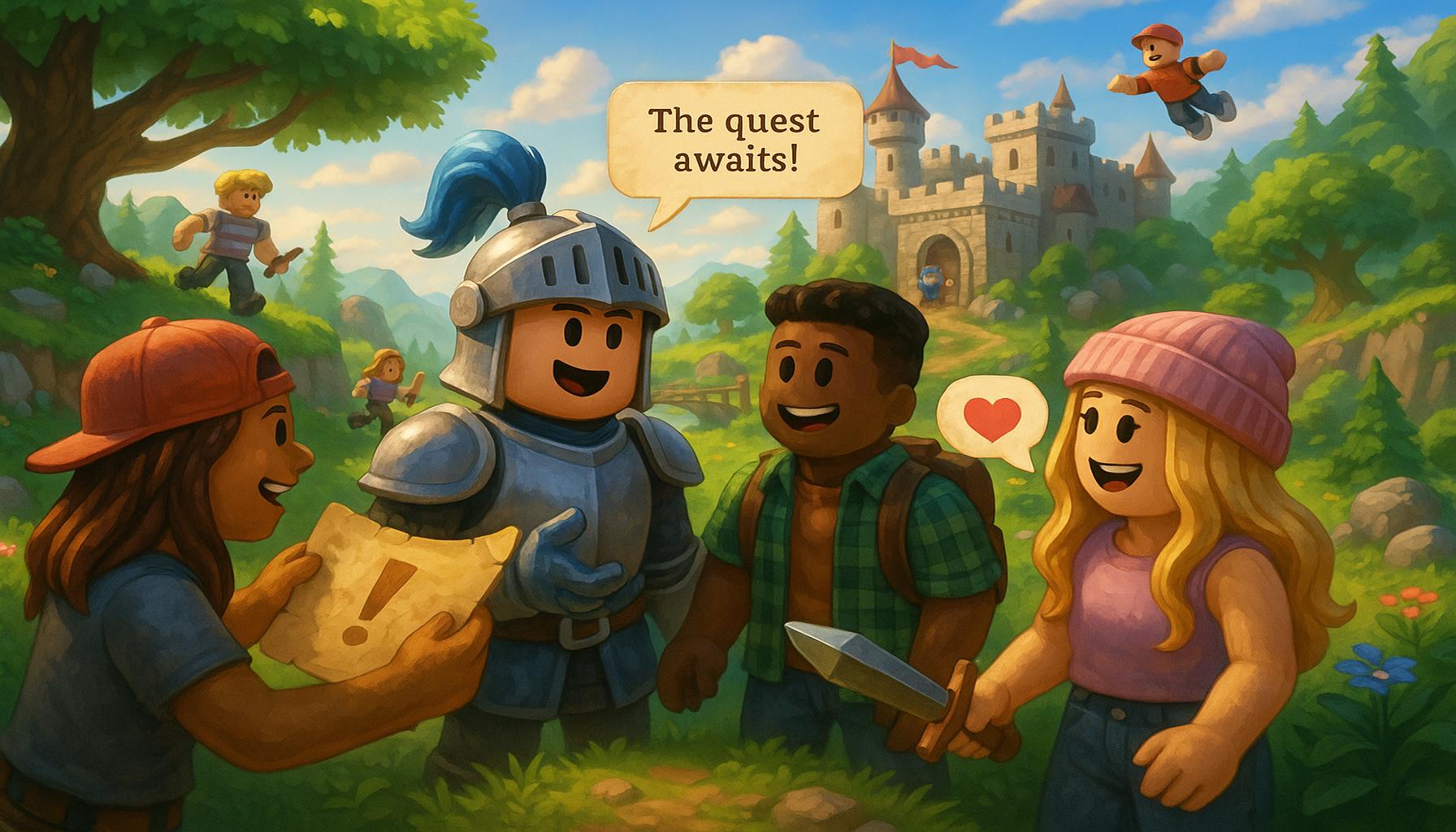
As Roblox evolved, the focus on user interaction has increasingly shifted towards nurturing a thriving social ecosystem. Key innovations in this regard are the introduction of immersive experiences that go beyond traditional gameplay. Roblox games are no longer confined to standalone experiences; they now incorporate rich narratives, expansive worlds, and interactive elements that encourage players to engage with each other on a deeper level.
One of the most significant strides in fostering social engagement has been the development of multiplayer gaming mechanisms. These features not only allow players to join their friends in shared experiences but also facilitate robust social interactions. Games like “Adopt Me!” and “Brookhaven” have exemplified this trend, allowing players to role-play and build their virtual lives in collaboration with others, effectively turning gameplay into a communal affair. This social interaction is further enhanced by in-game functions such as trading, gifting, and cooperative missions, which incentivize players to communicate, cooperate, and build relationships within the Roblox universe.
Furthermore, the integration of virtual events has played a crucial role in evolving user interaction on the platform. Roblox has successfully hosted concerts, online parties, and special events featuring popular artists such as Lil Nas X and twenty one pilots, allowing millions of players to participate in real-time celebrations. These virtual events not only provide entertainment but also create opportunities for users to socialize, bridging the gap between the in-game and real-world experiences. According to reports, the virtual concert events have drawn in tens of millions of participants, underscoring the platform’s potential to serve as a virtual meeting ground.
The role of user-generated content in enhancing social immersion cannot be understated. Users have the autonomy to create not just games, but entire experiences, themed around their communities, interests, or current trends. This user-driven content is vital in shaping the identity of the platform, allowing for adaptive and responsive gameplay that aligns with users’ evolving desires. One example is the array of experiences themed around popular culture, such as movie adaptations or fan-made replicas of famous landmarks, which foster community interaction through shared interests.
In parallel, the development of user interfaces designed for social connectivity has also contributed significantly to interaction evolution. The introduction of features such as friend lists, private messaging, and party functionalities has made interacting with peers seamless and intuitive. Additionally, developers have increasingly integrated voice chat and screen share functionalities, further enhancing the sense of community within the platform. This emphasis on connectivity aligns with the changing expectations of users; today’s player is not just searching for a game but also for an avenue to socialize and build lasting relationships with peers.
As user-generated content grows exponentially and the overall gaming experience becomes ever more interconnected, it is essential for developers to prioritize the creation of features that amplify social interaction. The successful balance of gameplay mechanics with robust social features will determine the trajectory of user engagement on Roblox. Consequently, the platform not only serves as a stage for creative expression but also as a vibrant social landscape where users forge deeper, more interactive connections.
SEE ALSO: Click here to read another article
Conclusion
The evolution of user interaction in Roblox reflects a significant shift from mere game creation to a rich tapestry of social immersion and community engagement. As outlined throughout this article, the platform has continuously embraced innovation, incorporating immersive experiences and multiplayer gaming mechanics that foster genuine connections among users. The success of games like “Adopt Me!” and “Brookhaven” highlights how social dynamics are increasingly essential in the gaming landscape, transforming players’ experiences into collaborative endeavors that nurture friendships and networking opportunities.
Moreover, the integration of virtual events, coupled with the vast potential of user-generated content, has established Roblox as more than just a gaming venue—it has emerged as a critical social platform. By hosting concerts and events featuring prominent artists, the platform effectively bridges the gap between gaming and real-world socialization, further solidifying its role in shaping community identity. As users continue to create diverse content that resonates with their interests, the platform remains adaptable, reflecting the dynamic nature of its user base.
Ultimately, the ongoing development of user interfaces designed for enhanced connectivity facilitates seamless communication and interaction, addressing the evolving expectations of contemporary players. It is imperative that Roblox developers continue to prioritize features that promote social interaction while balancing gameplay mechanics. As the platform evolves, it stands poised to redefine user interaction in gaming, transforming it into a vibrant social landscape where creativity and connection thrive together.

Linda Carter
Linda Carter is a writer and Roblox content specialist with a strong focus on gaming experiences, strategies, rewards, and everything the platform has to offer. With extensive experience helping players better understand Roblox and make the most of its features, Linda shares her knowledge on our platform. Her goal is to provide readers with practical tips and useful strategies to improve gameplay, discover new opportunities, and fully enjoy the Roblox universe.