Creating and Organizing Community Events in Roblox: Tips for Developers
Importance of Community Events
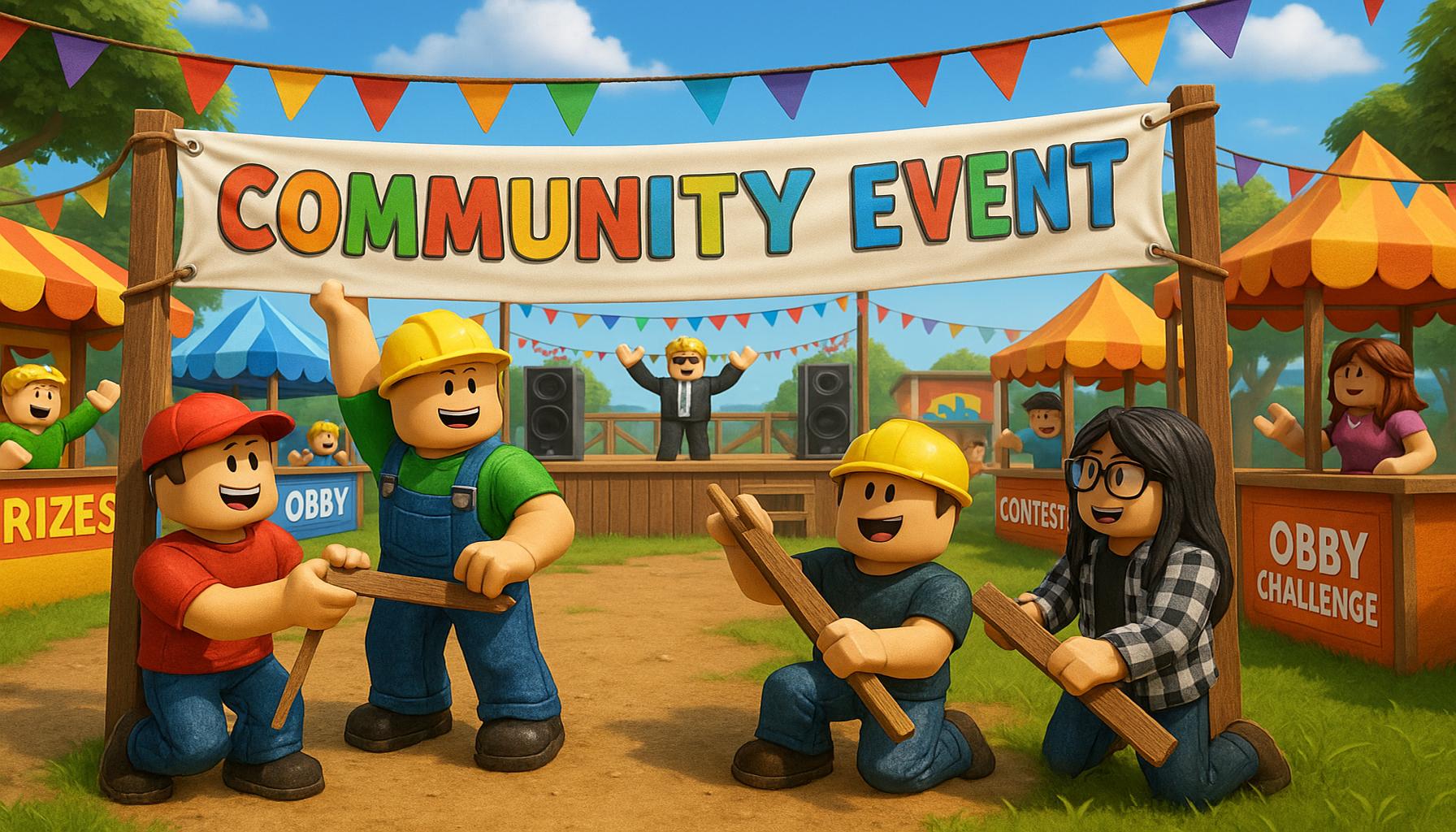
Community events in Roblox serve as essential tools for not only enhancing user engagement but also fostering a vibrant and cohesive gaming community. Developers can utilize these events to create unique experiences that resonate with their player base, ultimately driving user retention and satisfaction. By implementing well-crafted community events, developers can encourage players to become more invested in both the game and the community surrounding it.
Event Planning
When initiating the planning phase for a community event, developers must first define the objectives and format of the event. For example, will the event be a competitive tournament, a seasonal celebration, or perhaps an exhibition showcasing player creations? Each type of event serves a different purpose: competitions can stimulate friendly rivalry, while showcases may celebrate community talent. Additionally, considering the duration and frequency of events is crucial; frequent, smaller events can maintain ongoing player interest, whereas larger, less frequent events can serve as major milestones for the community.
Target Audience
Understanding the demographics and preferences of the player base is vital for tailoring events that resonate with users. For instance, younger players may prefer more interactive and visually stimulating experiences, while older players might appreciate strategic game mechanics or storytelling elements woven into the event. Exploring player feedback, conducting surveys, and analyzing in-game behaviors are effective methods to gauge what types of activities will attract diverse segments of the Roblox community.
Marketing Strategies
Once an event has been conceptualized, employing robust marketing strategies is critical for ensuring high participation levels. Developers should take advantage of various channels to promote events, such as leveraging social media platforms like Twitter, Instagram, and TikTok, where visual content can spark interest. Additionally, utilizing Roblox’s built-in social features, such as in-game notifications and community groups, can effectively reach players directly within the platform. Engaging promotional materials, including teasers and countdowns, can build excitement leading up to the event.
In conclusion, the successful organization of community events can significantly enhance a game’s appeal and community spirit within Roblox. By focusing on detailed event planning, understanding the target audience, and employing effective marketing strategies, developers can create memorable experiences that not only engage existing players but also attract newcomers. Ultimately, a well-executed community event can become a flagship feature of your game, reinforcing your commitment to providing a rich and engaging environment for all players.
In the subsequent sections, we will provide actionable strategies and tips that developers can implement to create and manage successful community events within Roblox.
SEE ALSO: Click here to read another article
Crafting Engaging Events
After establishing initial goals and understanding the target audience, the next phase in organizing successful community events in Roblox is to focus on crafting engaging experiences. Developers must consider various elements to ensure that the event captures the interest of participants and holds their attention throughout its duration. This involves leveraging the unique design features that Roblox offers, allowing for customization and creativity in event representation.
Interactive Elements
Integrating interactive elements is a cornerstone of successful community events in Roblox. Features such as mini-games, collaborative tasks, and challenges can significantly enhance user engagement. Developers might consider the following ideas:
- Live Competitions: Hosting competitive events where players can compete for rewards or recognition fosters a sense of achievement and camaraderie.
- Quests and Missions: Crafting specific in-game objectives that players can complete individually or as teams enhances the collaborative spirit of the community.
- Feedback and Voting: Introducing elements where players can provide feedback or vote on their favorite designs or game aspects during showcases encourages involvement and investment in the community.
Moreover, ensuring that these interactive components are accessible and non-exclusionary can significantly boost participation rates. Developers should strive to create environments where both experienced players and newcomers can easily engage without feeling intimidated.
Rewards and Incentives
Offering rewards and incentives is another effective way to motivate participation and create enthusiasm within the community. Developers should consider incorporating various types of rewards, such as:
- In-Game Currency: Grants players the ability to purchase items or upgrades, enhancing their gameplay experience.
- Exclusive Items: Providing limited-edition gear, skins, or badges that players can show off, fostering a sense of exclusivity and achievement.
- Community Recognition: Awarding titles or featuring winners prominently in-game or on social media channels enhances their recognition within the community.
Implementing these reward mechanisms not only incentivizes participation but also reinforces community ties as players share their accomplishments and gear with others. Developers should ensure that the rewards are balanced, catering to various skill levels and encouraging continuous participation rather than creating a pay-to-win environment.
Event Logistics
Another critical aspect of event organization is managing the logistical elements effectively. Key considerations include:
- Event Duration: Deciding on how long the event will last, which should align with player expectations and game flow.
- Technical Stability: Ensuring that the game environment can handle the expected number of concurrent players without performance degradation.
- Documentation: Clearly outlining the rules, objectives, and timing of events helps set player expectations and prevents confusion.
By focusing on the design, interaction, rewards, and logistics of community events, developers can create immersive experiences that resonate with players on Roblox, encouraging enhanced participation and reinforcing community bonds.
SEE ALSO: Click here to read another article
Building Community Engagement
Once the engaging aspects of the event are constructed from interactive elements and logistical concerns, the next endeavor is focusing on building community engagement. Establishing a robust connection with participants can enhance their overall experience and solidify their bond with both the game and the community. To achieve meaningful engagement, developers should be intentional about integrating communication strategies and incorporating community feedback.
Utilizing Social Media
Leveraging social media platforms is a powerful strategy for developers looking to promote their events and connect with their audience. Platforms like Twitter, Instagram, and Discord can be vital channels for outreach. By creating dedicated event pages, sharing countdowns, and engaging with players through polls and discussions, developers can keep players informed and excited. Here are practical approaches to consider:
- Regular Updates: Keeping an open line of communication helps keep players informed about event details and changes, which can encourage more active participation.
- Behind-the-Scenes Content: Sharing sneak peeks into the event setup or developer insights fosters a sense of community, making players feel more connected and engaged.
- Player Spotlights: Featuring players in promotional content or acknowledging their contributions helps create recognition within the community, further encouraging participation.
By actively utilizing social media, developers can not only promote their events but also nurture an ongoing dialogue with players, which can drive future engagement.
Creating a Feedback Loop
Establishing a feedback loop is essential for understanding player perspectives and improving future events. Collecting insights from participants can illuminate what aspects of an event were successful or what did not resonate well. Here are methods on how to gather valuable feedback:
- Post-Event Surveys: Utilize in-game surveys or external forms to solicit feedback after events regarding players’ experiences, preferences, and suggestions for improvement.
- Community Forums: Create dedicated threads on Roblox or other platforms where players can share thoughts and engage in discussions about recent events.
- Incorporate Feedback: Demonstrating that player feedback shapes future endeavors further incentivizes participation in subsequent events.
By creating a structured feedback mechanism, developers not only enhance their events but also show players that their opinions matter, leading to increased loyalty and active participation.
Fostering Inclusivity
From the outset, it is essential to ensure that events are inclusive and welcoming to all players, regardless of their skill level. Creating an environment that accommodates diverse player experiences fosters a more engaged community. Here are a few strategies for developers:
- Adaptive Challenges: Incorporate challenges that can be scaled in difficulty to cater to various skill levels. This inclusivity allows newcomers to participate without feeling overwhelmed while still engaging veterans.
- Diverse Representation: Ensure that in-game assets, character customization options, and themes reflect diversity in the player base, allowing everyone to see themselves represented.
- Community Input: Encourage players to contribute ideas and themes for future events, involving them directly in the creative process.
Fostering an inclusive atmosphere will help cultivate a sense of belonging and encourage more players to participate, which is crucial for the overall growth of the community.
By employing effective communication strategies, implementing feedback mechanisms, and prioritizing inclusivity, developers can build strong community engagement that not only enhances individual events but also strengthens the player community as a whole in the expansive world of Roblox.
SEE ALSO: Click here to read another article
Conclusion
In conclusion, creating and organizing community events in Roblox serves as an invaluable strategy for developers seeking to foster player engagement and build a vibrant community. By focusing on critical elements such as effective communication, player feedback, and inclusivity, developers can not only enhance the quality of their events but also create a lasting connection with their audience. Harnessing the power of social media plays a key role in reaching potential participants, while engaging players through dynamic updates and visibility ensures they feel valued and involved.
Moreover, establishing a structured feedback loop allows developers to glean insights into player experiences, enabling continuous improvement for future events. Such an iterative approach not only boosts event quality but also reinforces player loyalty by demonstrating that their voices are heard and prioritized. On the other hand, prioritizing inclusivity ensures a welcoming atmosphere where all players—regardless of skill level—can participate and feel represented within the game. This inclusiveness is imperative for nurturing a diverse and engaged player base, ultimately contributing to the overall growth and vitality of the Roblox community.
In an evolving landscape, the proactive measures outlined in this article empower developers to create enriching opportunities for interaction and collaboration among players. By remaining attentive to player preferences and leveraging effective promotional strategies, developers can cultivate a thriving community that not only enjoys the events but also champions the overall Roblox experience.

Linda Carter
Linda Carter is a writer and Roblox content specialist with a strong focus on gaming experiences, strategies, rewards, and everything the platform has to offer. With extensive experience helping players better understand Roblox and make the most of its features, Linda shares her knowledge on our platform. Her goal is to provide readers with practical tips and useful strategies to improve gameplay, discover new opportunities, and fully enjoy the Roblox universe.