Multiplatform Game Development in Roblox: Challenges and Opportunities for Developers
Embracing the Multiplatform Game Development Landscape
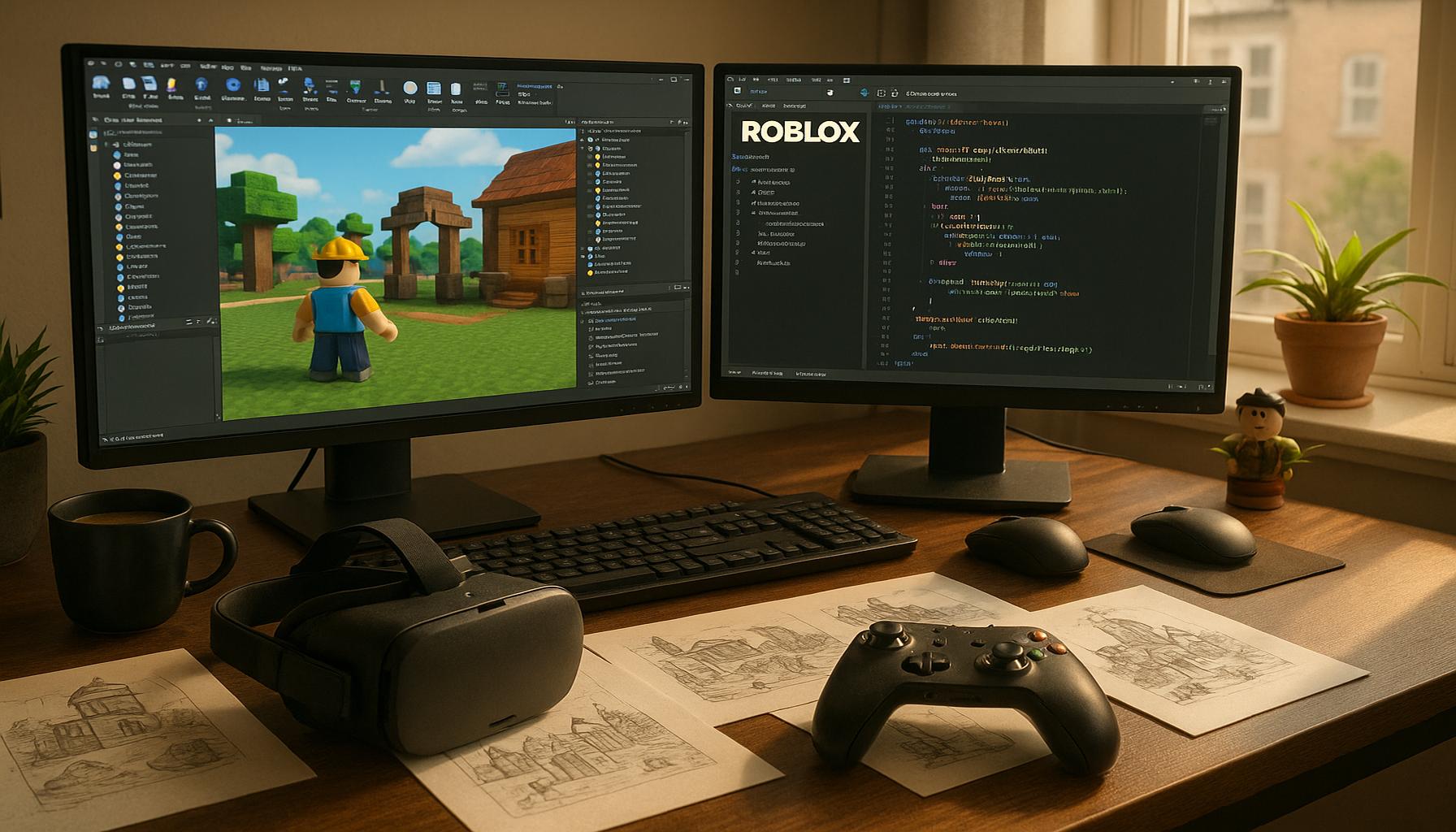
The advent of multiplatform game development has significantly transformed the gaming industry, redefining traditional frameworks of game design. Central to this revolution is Roblox, a versatile platform that empowers developers to design, launch, and monetize interactive experiences. By bridging the gap between PC, console, and mobile device gaming, Roblox exemplifies the challenges and opportunities that come with multiplatform development.
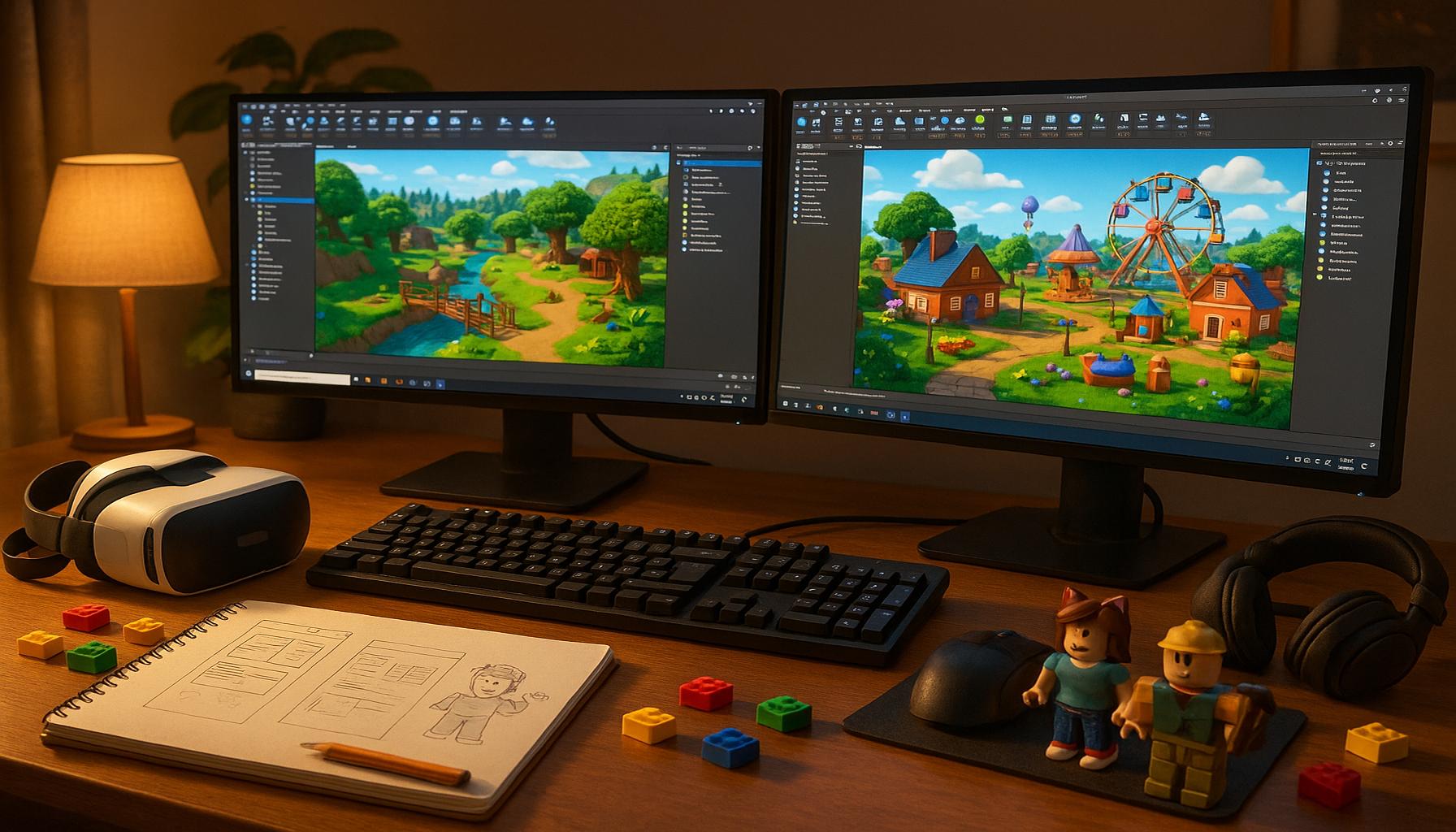
One of the foremost considerations in creating games for Roblox is device compatibility. Developers must ensure that their games function seamlessly across diverse hardware, including desktop computers, gaming consoles such as Xbox, and various mobile devices like smartphones and tablets. This involves rigorous testing to safeguard against issues such as graphical glitches or gameplay that feels disjointed on different platforms. For instance, a game designed to look visually stunning on a high-end PC may need to have reduced graphic fidelity when played on a mobile device to maintain player engagement.
In addition, performance optimization is critical in this landscape. Roblox developers are tasked with the responsibility of adjusting both graphics and gameplay to accommodate a wide range of hardware specifications. This can involve utilizing techniques such as level-of-detail management, where objects that are further away from the player are rendered in lower detail. This not only enhances performance but also preserves battery life on mobile devices, contributing to a smoother user experience.
For developers, player engagement remains a pivotal component in fostering a loyal gaming community. Tailoring experiences to each platform can greatly enhance user retention. For example, mobile users may appreciate touch controls and shorter gameplay sessions, while PC players might enjoy more complex interactions and extended gameplay. Creating unique features and events that cater specifically to the nuances of each platform can maximize engagement across the board.
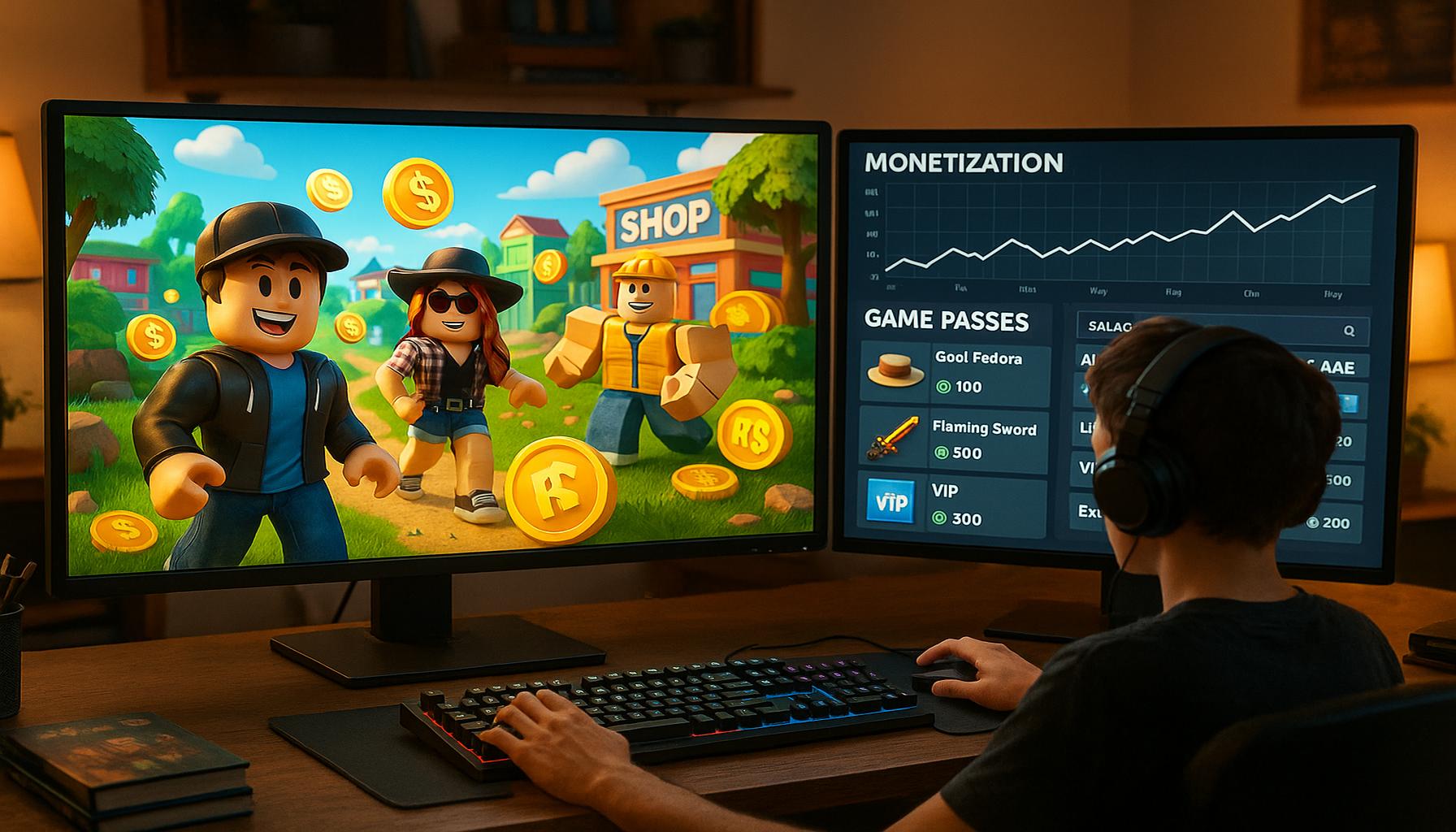
Although the road to mastering multiplatform development is fraught with challenges, it is accompanied by numerous opportunities. One such opportunity is the robust range of monetization options available on Roblox, allowing developers to generate revenue through game passes, which grant players special abilities or access to exclusive content. In addition, in-game purchases can significantly boost earnings, especially when tied to popular game features.
The vibrant community and collaboration within Roblox cannot be overlooked. Developers can tap into this resource by seeking feedback from players and by forming alliances with other creators, leading to innovative projects and enriched content. Moreover, leveraging the platform’s features for cross-promotion can be instrumental in reaching new audiences, as successful games often benefit from a shared user base across various titles, amplifying visibility and engagement.
In conclusion, as developers delve into multiplatform game development on Roblox, a comprehensive understanding of its complexities will be essential. Not only must they navigate compatibility challenges and optimize performance across devices, but they must also engage with their player base effectively. The combination of creativity, community, and strategic planning will undoubtedly position developers for success in the dynamic landscape of modern gaming, ensuring their creations resonate within the ever-expanding digital cosmos.
SEE ALSO: Click here to read another article
Navigating the Landscape of Device Compatibility
As developers embark on the journey of creating games within the Roblox ecosystem, the challenge of device compatibility emerges as a central theme. Given that Roblox is designed to run across a wide range of platforms—including PCs, gaming consoles (notably Xbox), and mobile devices—developers must adopt a multifaceted approach to ensure their games provide a welcoming experience for all players. This necessitates comprehensive testing across these platforms to properly address the disparities in hardware capabilities.
One major consideration is the resolution and graphic settings, which often must be calibrated for each device type. High-end gaming PCs can support more detailed textures and complex animations, while mobile devices may require streamlined visuals to ensure playable frame rates without draining the battery. Strategies to mitigate these differences can include:
- Dynamic resolution scaling: This technique adjusts the resolution in real time based on the performance metrics of a device, helping maintain smooth gameplay.
- Asset management: Using a variety of assets that cater specifically to each platform can enhance the visual fidelity and performance without burdening the hardware.
- Custom user interfaces: Tailoring the UI for touchscreens versus traditional controls can create a more intuitive experience, increasing player satisfaction.
Performance optimization is another critical aspect that developers must address. Resource management involves balancing the use of system resources to maximize performance. Developers can utilize volume-based rendering, where only objects within a certain proximity are rendered in full detail, to improve frame rates, especially on less powerful devices. This approach enhances not only the visual experience but also optimizes the gameplay dynamics, thereby reducing the likelihood of lag that can detract from player enjoyment.
The diversity in control schemes presents its own challenges. The touch interfaces on mobile platforms require different input handling than keyboard and mouse on PCs or controllers on consoles. Developers must implement responsive design strategies to accommodate these differences, ensuring that the core gameplay experience remains consistent across devices. This may necessitate redesigning certain gameplay mechanics or interactions to align with the expectations of players on various platforms.
Engagement metrics within Roblox play a critical role in understanding and addressing player preferences. By analyzing gameplay data, developers can identify which features resonate with players using specific devices. This data-driven approach can inform future iterations and updates, enabling developers to refine their offerings based on player feedback. Additionally, recognizing trends in player behavior can lead to tailored marketing strategies—ensuring that promotional efforts are aligned with the interests of different user segments.
In summary, navigating the complexities of multiplatform game development in Roblox requires a deep understanding of both technical constraints and player expectations. By focusing on device compatibility, performance optimization, and effective engagement strategies, developers can create immersive experiences that captivate diverse audiences, fostering a vibrant gaming community across platforms.
SEE ALSO: Click here to read another article
Leveraging Cross-Platform Features
In addition to addressing device compatibility, developers must harness the potential of cross-platform features that Roblox offers to enhance player engagement and retention. These features facilitate a fluid gaming experience across different platforms, allowing developers to create cohesive game narratives and multiplayer functionalities that can engage users, regardless of where they are playing.
One crucial element of cross-platform functionality is real-time multiplayer interactions. Roblox supports seamless multiplayer gaming, allowing users on different devices to join the same server. However, maintaining sync and ensuring fair play can be particularly challenging. Developers must implement robust networking solutions to handle player latency differences and data transmission delays. Techniques such as client-side prediction can make gameplay more responsive and reduce the feeling of lag. By anticipating player actions, this technique provides a smoother experience, particularly important for competitive gaming scenarios.
Furthermore, an emphasis on cloud saves and player data synchronization can greatly enhance user experience. Providing players the ability to maintain their progress and customize their characters across various devices is pivotal. This connectivity ensures that once they switch from a console to a mobile device, or vice versa, they can resume their gameplay from exactly where they left off. Implementing a well-structured cloud save system, therefore, becomes a vital component of multiplatform game design.
A key opportunity for developers lies in utilizing Roblox’s user-generated content (UGC) system to foster community engagement. Allowing players to create and share their own assets or game modifications not only enriches the gaming environment but also encourages a sense of ownership and investment. This community-driven approach can serve as a powerful marketing tool, driving both player retention and attracting new users to explore the diverse offerings within the Roblox platform. Developers should consider providing clear guidelines and incentives for UGC creation, thereby tapping into the creative potential of their user base.
Moreover, developers can benefit from social integration features, which are increasingly vital in enhancing the gaming experience. Features such as friend matchmaking and in-game chat systems can facilitate social interactions, allowing players to connect and collaborate more effectively. By embedding social functionality, developers not only boost user engagement but also create an ecosystem where players feel a sense of belonging—thereby increasing the likelihood of sustained gameplay.
While pursuing these opportunities, developers must also be prepared to face the complexities of content moderation and security. With an open platform like Roblox, where user-generated content is prevalent, maintaining a safe and inclusive environment is paramount. Developers need to implement rigorous moderation practices to prevent abuse and ensure that community contributions adhere to platform guidelines. Failure to address these issues can lead to negative experiences and potential player attrition.
In light of these challenges and opportunities, striking a balance between innovation and user safety becomes essential for successful multiplatform game development within Roblox. By effectively leveraging cross-platform features and fostering community engagement while ensuring strict moderation, developers can enhance their chances of creating a successful and sustainable gaming experience that resonates with players across different devices.
CHECK OUT: Click here to explore more
Conclusion
In summary, the landscape of multiplatform game development in Roblox presents both exhilarating opportunities and formidable challenges for developers. The ability to engage users across various devices not only enhances player accessibility but also broadens the potential audience, thereby creating significant market opportunities. Nevertheless, developers must navigate the intricacies of cross-platform functionality, ensuring a seamless user experience through responsive gameplay and robust cloud saving systems.
Furthermore, the integration of features that promote community engagement, like user-generated content and social functionalities, can substantially elevate the gaming experience by fostering a sense of belonging among players. By empowering users to contribute creatively and interact socially, developers can cultivate a dynamic ecosystem that encourages longevity in player retention.
However, the importance of content moderation and ensuring a safe gaming environment cannot be overstated. Developers need to adopt stringent moderation practices to mitigate the risks associated with user-generated content, which is essential for maintaining a positive experience and cultivating trust within the community. Balancing innovation with user safety is thus critical for a successful game launch and sustained engagement.
Ultimately, the challenges and opportunities inherent in multiplatform game development within Roblox require a strategic approach. Developers who can effectively leverage technological advancements while prioritizing community well-being will find themselves positioned to succeed in this vibrant and evolving gaming landscape. As the platform continues to grow, embracing these factors will be vital for fostering immersive and engaging gaming experiences that resonate with a diverse player base.

Linda Carter
Linda Carter is a writer and Roblox content specialist with a strong focus on gaming experiences, strategies, rewards, and everything the platform has to offer. With extensive experience helping players better understand Roblox and make the most of its features, Linda shares her knowledge on our platform. Her goal is to provide readers with practical tips and useful strategies to improve gameplay, discover new opportunities, and fully enjoy the Roblox universe.