The influence of interactive narrative on game development in Roblox: Telling captivating stories
The Role of Interactive Narratives in Roblox Game Development
In contemporary gaming, a compelling narrative is essential for fostering player immersion and engagement. Roblox, a prominent platform for user-generated content, has profoundly transformed how players interact with stories. This transformation is primarily achieved through the incorporation of interactive narratives, empowering developers to craft rich, engaging worlds that not only attract players but also keep them vested in the outcome of the story.
The interactivity that Roblox offers leads to several important facets of narrative development:
- User Engagement: In Roblox, players are not just passive observers; they actively shape the narrative through their choices and actions. For instance, in games like “Adopt Me!” or “Brookhaven,” players partake in dynamic storytelling experiences where their decisions influence character development and plot progression. This level of involvement creates a stronger emotional connection to the game, enhancing overall player satisfaction.
- Creative Freedom: Roblox provides developers with an expansive toolkit to design their narratives. Developers are free to manipulate storylines, modify character arcs, and craft unique outcomes. For example, a developer might create a game where players can choose to align with different factions, thereby experiencing completely different storylines based on their choices. This freedom not only encourages innovation but also results in a wide variety of gaming experiences within the Roblox community.
- Community Collaboration: The collaborative nature of Roblox’s ecosystem allows players to contribute to narrative evolution actively. Through feedback and suggestions, players can influence the direction of ongoing stories, making the games more community-oriented. This interaction often leads to updates that refine and expand narratives in ways that resonate with player desires, further deepening the connection between players and the game.
The evolution of storytelling in Roblox indicates a notable movement away from traditional, linear plots towards more dynamic, branching narratives that respond to player input. This shift reflects broader trends in the gaming industry that prioritize personalization and interactivity as core elements of the player experience.
As developers continue to explore innovative narrative techniques, they are not merely enhancing gameplay; they are also elevating the standards for storytelling across the entire gaming landscape. The integration of interactive narratives in Roblox exemplifies how a platform can enrich the player experience while also paving the way for future developments in game design and storytelling. This ongoing evolution calls for developers to rethink conventional narratives and adopt flexible, compelling storytelling methods that cater to the diverse preferences of their player base.
SEE ALSO: Click here to read another article
Enhancing Player Agency through Interactive Storytelling
The essence of interactive narratives lies in their ability to grant players agency, allowing them to influence the storytelling process actively. In Roblox, this focus on player-driven narratives creates a unique environment where choices matter significantly. The structure of many Roblox games enables developers to integrate branching storylines that respond to player decisions, thereby enhancing the authenticity of the gaming experience.
One of the most compelling aspects of player agency in Roblox is the concept of multiple endings. This feature allows players to navigate through different scenarios based on their choices, offering varied outcomes that encourage repeated gameplay. For instance, a player might engage in a scenario where they must decide between assisting a character in need or prioritizing their own objectives. Each choice leads to distinct consequences, ultimately affecting the game’s conclusion. This not only heightens suspense but also fosters a sense of ownership over the narrative journey.
The incorporation of player agency through interactive storytelling can be broken down into several critical components:
- Choice-Driven Gameplay: Games like “Murder Mystery 2” utilize a choice-driven approach that necessitates players to make pivotal decisions that directly impact the narrative. The thrill of uncertainty and the potential for divergence in storylines add layers of excitement, thereby bolstering player investment.
- Emotional Resonance: Players often form deeper emotional connections with characters when they have the opportunity to influence their arcs. By allowing players to decide the fate of beloved characters, developers in Roblox create poignant moments that resonate on a personal level, enhancing overall player engagement.
- Replayability: The interactive nature of narrative in Roblox fosters a culture of replayability. Players may revisit games to explore different pathways and outcomes, driving up engagement metrics. This cyclical experience encourages gamers to discuss their adventures and choices, building a community around shared narratives.
Furthermore, the success of interactive narratives in Roblox is evident in the platform’s growing library of titles that feature sophisticated storytelling mechanisms. Developers increasingly recognize the value of integrating narrative complexity into their games, leading to a broader acceptance of emotional storytelling in the realm of user-generated content. As a result, the landscape of game development within Roblox is evolving, as more creators seek to elevate the narrative component of their projects.
The emphasis on interactive narratives not only enhances the immediate experience for players but also paves the way for future advancements in game design. As developers continue to innovate and refine their storytelling techniques, the boundary between player and narrative is blurred, creating a more immersive and interactive gaming experience in the trend-setting world of Roblox.
CHECK OUT: Click here to explore more
The Role of Community and Collaboration in Narrative Development
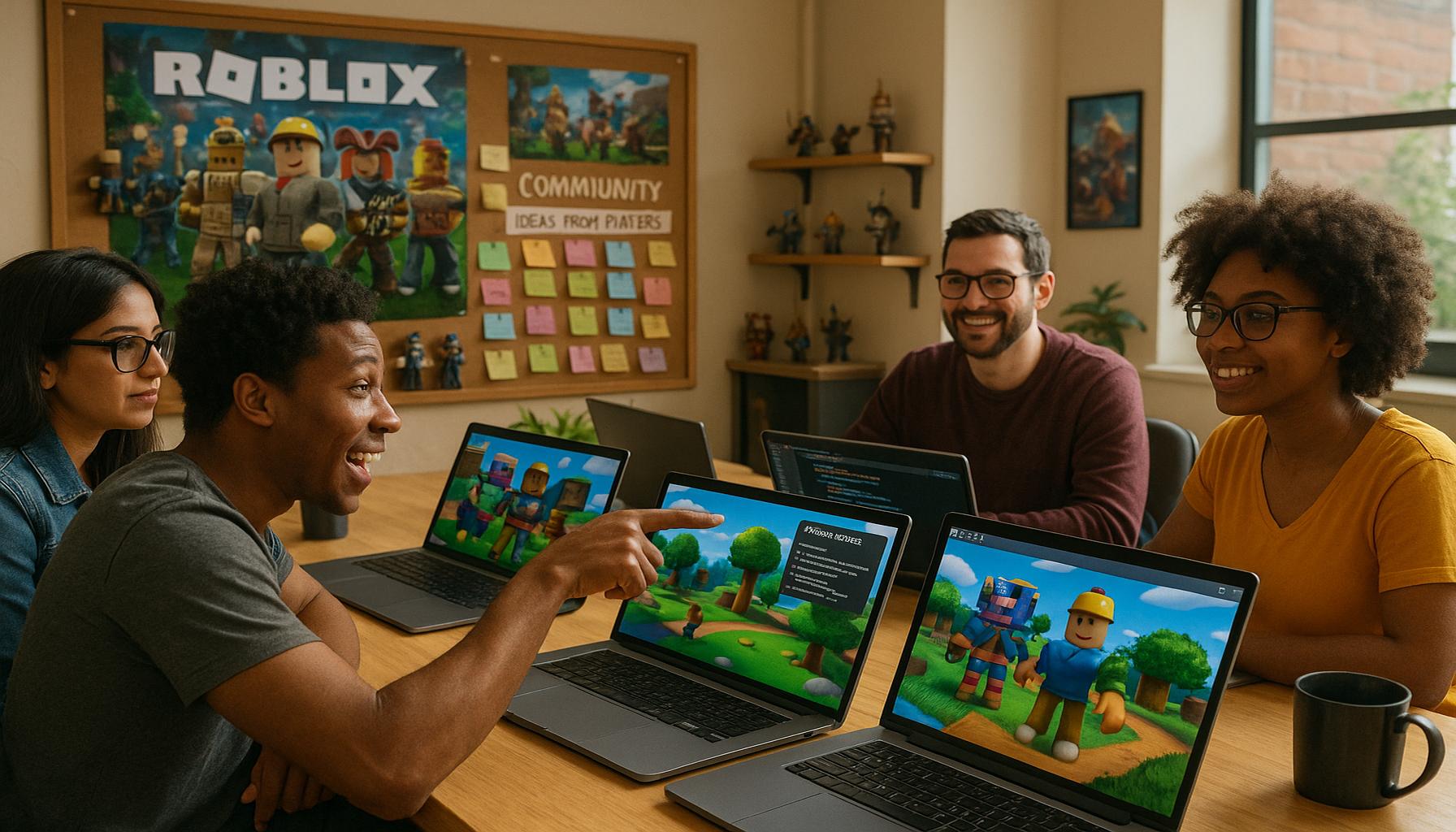
In addition to enhancing player agency, the construct of interactive narratives fosters a vibrant community of creators and players who collaborate to refine storytelling techniques within Roblox. This collaborative environment facilitates a continual exchange of ideas, ultimately enriching the narrative landscape of the platform. Developers and players alike can contribute to evolving the storylines, character arcs, and gameplay mechanics through feedback, making community interaction a cornerstone of creative development.
One key method through which this collaboration occurs is the platform’s user-generated content model. In Roblox, developers have the opportunity to solicit input from players throughout the game’s development cycle. Tools like Roblox Studio allow creators to test narrative elements in real-time, inviting players’ feedback, recommendations, and reactions. This iterative approach enables developers to assess which narrative aspects resonate with their audience, leading to more polished and engaging storytelling.
Developer collaborations amplify this process further, as creators often join forces to craft enriched narratives that reflect a broader community vision. For example, in the acclaimed game “Welcome to Bloxburg,” developers have expanded the storytelling aspect through community events where players can contribute to narrative themes, quests, and even in-game character lore. These collective initiatives not only foster a sense of camaraderie among creators but also ensure that narratives remain pertinent to the player base.
- Player Feedback Loops: An ongoing dialogue between players and developers allows for the refinement of narratives. When developers implement player suggestions for character development or plot progression, it enhances player satisfaction and encourages continued engagement.
- Collaborative Storytelling Events: Many Roblox creators host events that invite players to co-create stories, serve as narrative architects, or contribute as characters, which adds diverse perspectives to the storytelling process.
- Increased Diversity in Storytelling: The melding of various creative talents from the community leads to rich narratives that reflect diverse backgrounds and experiences. This diversity helps attract a broader audience and engenders empathy among players, further deepening emotional investment.
Additionally, the accessibility of storytelling tools within Roblox empowers even novice developers to pursue intricate narratives. The platform provides extensive tutorials and resources that facilitate skill acquisition in game design and narrative creation. This democratization of game development encourages passionate storytellers and encourages experimentation, resulting in an influx of innovative game concepts that push traditional boundaries in storytelling.
Data reflecting player engagement corroborates the impact of these community-driven narratives. According to a report, games that incorporate strong interactive storytelling and community features outpace traditional titles in terms of player retention and satisfaction metrics. The synergy of player input and developer creativity is catalyzing an unprecedented evolution in narrative-driven gaming within Roblox.
As this trend progresses, it becomes evident that community dynamics are instrumental in shaping the narratives that Roblox games can offer. By embracing collaborative storytelling and actively engaging with players, developers can craft narratives that resonate deeply and leave lasting impressions on their audience. This interconnectedness not only transforms how stories are told within the platform but also establishes Roblox as a leader in innovative narrative game design.
SEE ALSO: Click here to read another article
Conclusion
In summary, the integration of interactive narratives within Roblox has profoundly reshaped the landscape of game development and storytelling. By leveraging player agency and fostering community collaboration, developers are able to create immersive experiences that not only captivate players but also encourage them to actively participate in the narrative process. The dynamic interactions facilitated by tools like Roblox Studio enable developers to refine their storytelling techniques based on real-time player feedback, resulting in games that resonate more deeply with audiences.
The collaborative nature of narrative development within Roblox cultivates a diverse range of stories, reflective of the varied backgrounds and experiences of its creators and players. This diversity is essential in addressing a broader audience and enhancing emotional connections within the gaming community. Additionally, the accessibility of development tools empowers budding storytellers, ensuring that creativity is not confined to seasoned developers but is open to all passionate individuals.
The data illustrating increased player retention and satisfaction in games that prioritize interactive storytelling underscores the importance of fostering community engagement. As Roblox continues to evolve, it stands at the forefront of innovative narrative game design, setting a precedent for future interactive experiences across the gaming industry. Ultimately, the harmonious interplay between player input and developer creativity will serve as a foundation for ongoing narrative exploration, solidifying Roblox’s position as a leader in crafting compelling, interactive stories in gaming.

Linda Carter
Linda Carter is a writer and Roblox content specialist with a strong focus on gaming experiences, strategies, rewards, and everything the platform has to offer. With extensive experience helping players better understand Roblox and make the most of its features, Linda shares her knowledge on our platform. Her goal is to provide readers with practical tips and useful strategies to improve gameplay, discover new opportunities, and fully enjoy the Roblox universe.