The Importance of Optimization for Mobile Devices in SEO Tactics in a Growing Digital World
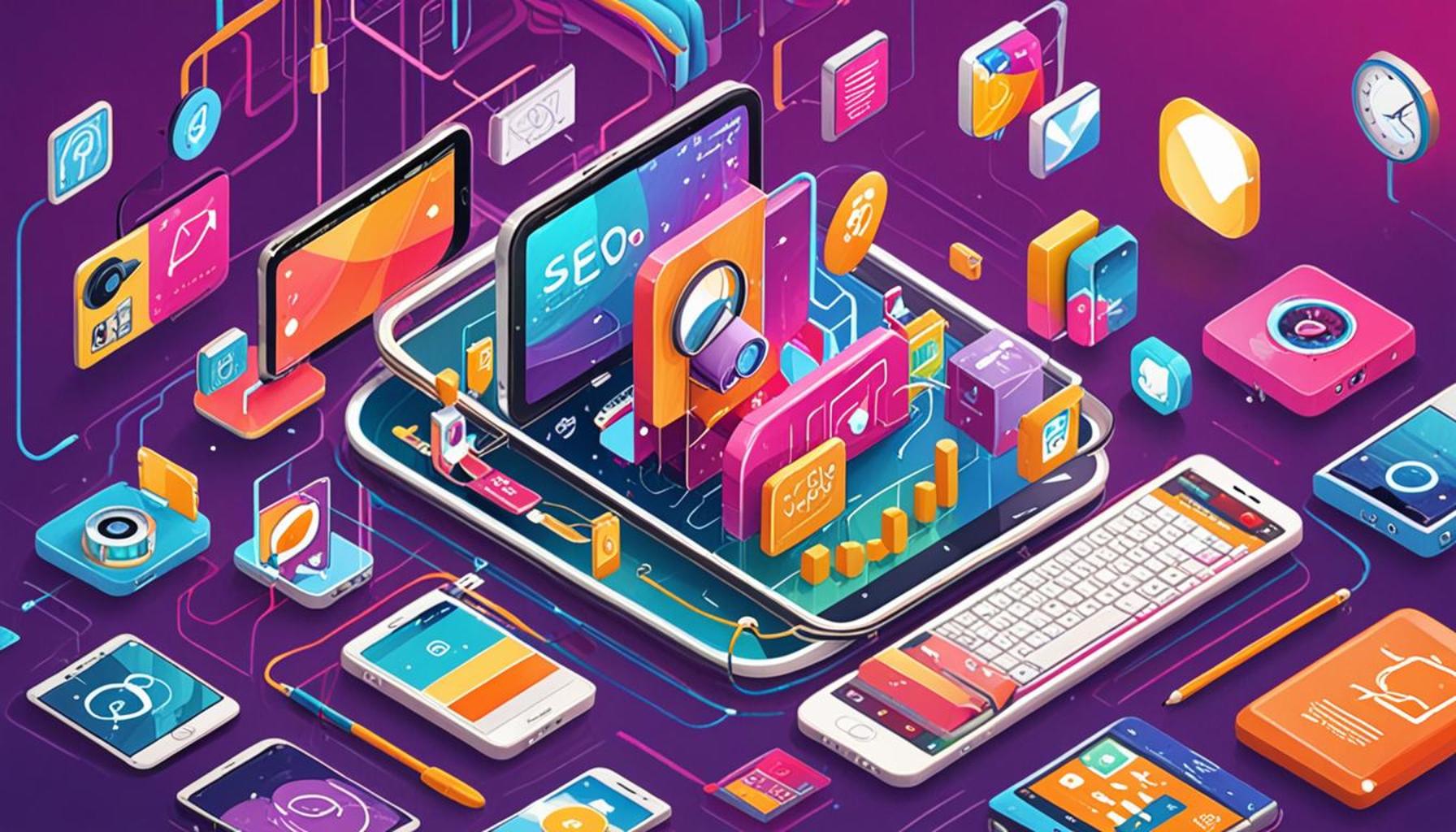
Understanding the Importance of Mobile Adaptation
In today’s fast-paced digital landscape, mobile devices have evolved into essential tools for connection, communication, and commerce. The way Filipinos engage with technology reflects a remarkable shift towards mobile accessibility—over 80% of internet users in the Philippines access the web primarily through their smartphones. This statistic is not just a number; it highlights a trend that businesses can no longer afford to overlook. The proliferation of smartphones has transformed how we shop, socialize, and seek information, making it imperative for businesses to rethink their digital strategies.
Moreover, with Google’s algorithm increasingly prioritizing mobile-friendly websites, businesses that fail to optimize their sites for mobile risks getting lost in the crowded digital marketplace. The importance of mobile optimization stretches beyond aesthetics; it encompasses user experience, loading times, and overall functionality. This prioritization affects search engine rankings, directly influencing how potential customers discover and interact with brands online.
Local businesses particularly stand to gain from this mobile-driven landscape. By optimizing for mobile searches, they can significantly enhance their visibility. For instance, if a local eatery ensures that its website is not only easily accessible on devices but also offers seamless navigation and prompt loading times, it becomes preferable in the eyes of consumers who are often on the go. This accessibility encourages more foot traffic and leads to an increase in sales, contributing to local economic growth.
Being present online is no longer sufficient; businesses must strive to be relevant and easily accessible. As consumer preferences continuously shift towards mobile browsing, the demand for seamless user experiences intensifies. This transition emphasizes the critical role of SEO tactics centered around mobile optimization. Improving website performance on smartphones and tablets not only enhances user engagement but also boosts search rankings, making it easier for businesses to connect with their audience.
The digital landscape is fiercely competitive, and small changes can yield significant results. By embracing mobile optimization, businesses are not simply adapting; they are making a conscious commitment to serve their audience better. Investing in a mobile-friendly experience is not a mere option but a necessity for staying relevant in today’s market. It reflects a brand’s dedication to meeting consumer needs and ensuring that every visitor to their site has a positive and productive experience. This dedication can transform casual browsers into lifelong customers, ultimately solidifying a business’s position in a rapidly evolving digital world.
SEE ALSO: Click here to read another article
Why Mobile Optimization is Non-Negotiable
As the digital landscape continues to evolve, the emphasis on mobile optimization has transcended from being a simple trend to a fundamental necessity. The statistics are compelling—study after study shows that users are more likely to leave a website if it does not load quickly or is not visually appealing on their mobile devices. For businesses in the Philippines, this reality becomes even more pressing. With a nation that embraces technology like no other, businesses must ensure they cater to the preferences of mobile users who demand efficiency and ease.
The implications of mobile optimization extend far beyond just website aesthetics; they play a crucial role in aligning with search engine algorithms that factor in mobile performance when ranking websites. This means that businesses with poorly optimized mobile sites are not only risking user disengagement but are also placing themselves at a disadvantage in search rankings, leading to decreased visibility in the crowded online market. So how can businesses ensure they tap into this growing segment of mobile users effectively? Here are key considerations:
- Responsive Design: Websites must be designed to adapt to different screen sizes, ensuring that users have a consistent experience, whether they are on a smartphone, tablet, or desktop.
- Fast Loading Times: Users expect quick access to information. A delay of just a few seconds can lead to a significant drop in user satisfaction and site engagement.
- Simple Navigation: A cluttered interface can frustrate users. Streamlined navigation helps users find what they need quickly, enhancing their overall experience.
- Content Optimization: Utilizing short, engaging content tailored for mobile users can keep them interested and encourage them to explore more of what businesses have to offer.
In the context of the Philippine market, where mobile phones are often a gateway to the internet, the need for mobile optimization is particularly vital for small and growing businesses. This is especially pertinent for local entrepreneurs striving to uplift their communities. When customers can easily access information about local products or services via their mobile devices, it encourages them to support businesses in their vicinity, ultimately fostering local economies.
Moreover, the emotional connection that businesses build through a seamless mobile experience can be powerful. When a potential customer finds it easy to browse through a mobile-optimized website, they associate this positive experience with the brand. This association can lead to increased brand loyalty and repeat business—a crucial element for small businesses looking to thrive in an increasingly competitive digital landscape.
Ultimately, mobile optimization is not just about keeping up with trends; it reflects a business’s commitment to enhancing customer experience and staying relevant in a fast-paced world. By prioritizing mobile-friendly practices, businesses pave the way for greater online visibility, improved customer satisfaction, and, ultimately, sustained growth.
CHECK OUT: Click here to explore more
The Impact of Mobile Optimization on Business Success
As we delve deeper into the subject of mobile optimization, it becomes evident that the relationship between effective SEO tactics and a strong mobile presence is more crucial than ever. With the continuous advancement of technology, consumers in the Philippines are not just using their smartphones for communication but are increasingly relying on them for shopping, research, and communication. Thus, businesses must recognize that mobile optimization is not merely a technical requirement but a key strategy for engaging with a community that is always connected.
The role of mobile optimization in improving conversion rates cannot be overstated. A well-optimized mobile site facilitates a smooth and enjoyable shopping experience, making it easy for customers to browse, compare, and purchase products. For instance, local brands that embrace mobile-friendly checkout processes often witness a significant uptick in transactions; combining ease of use with fast payment options—think of cashless mobile wallets like GCash—can lead to higher consumer confidence and loyalty as individuals seek out brands that simplify their lives.
Furthermore, customer feedback in the context of mobile optimization significantly influences a brand’s reputation. An overwhelming percentage of users express frustration when encountering poorly designed mobile interfaces. This negative experience can lead to unfavorable reviews—an outcome that can spell disaster for a small business striving to build a positive reputation in their community. In contrast, when customers share their positive mobile experiences, it enhances the business’s credibility, allowing local entrepreneurs to benefit exponentially from word-of-mouth referrals.
In the Philippines, it is also essential to acknowledge that mobile searches initiate numerous local transactions. According to recent studies, a staggering percentage of Filipinos use their smartphones to search for nearby businesses. This underscores the importance of local SEO tactics that are optimized for mobility. By ensuring the business information is accurate—such as contact numbers, addresses, and operating hours—entrepreneurs can ensure they appear in local search results, capturing the attention of potential customers at critical moments when they are looking for immediate solutions.
Moreover, leveraging social media platforms that thrive on mobile accessibility can bolster a business’s online presence. With platforms like Facebook and Instagram being widely used in the Philippines, these channels provide a unique opportunity for brands to create engaging content that resonates with mobile users. The kind of interactive content that encourages participation—such as polls, giveaways, or immersive stories—futher enhances engagement and loyalty. A virtuous cycle is created, where interested users return to the business’s well-optimized mobile site for more, amplifying the overall customer journey.
As more people choose mobile devices for daily activities, businesses are presented with both challenges and opportunities. By prioritizing mobile optimization within their SEO strategies, they can gain a competitive advantage, fostering an environment where technology complements their missions. Investing time and resources into creating a seamless mobile experience is not merely about adherence to trends—it signals a profound respect for the consumer’s needs and preferences, positioning brands as leadership figures within their respective niches. In a growing digital world, every step taken toward mobile optimization reflects the commitment to customer satisfaction and operational excellence.
SEE ALSO: Click here to read another article
Conclusion: Embracing Mobile Optimization for Future Success
In conclusion, the landscape of digital business is evolving rapidly, and the importance of mobile optimization cannot be overstated. As consumers in the Philippines increasingly turn to their smartphones for various daily activities—from shopping and browsing to discovering local services—businesses must ensure they are not left behind. By prioritizing a mobile-friendly strategy within their SEO tactics, brands can significantly enhance their marketplace visibility and foster better connections with their audience.
Adopting an optimized mobile experience goes beyond technical compliance; it reflects a genuine commitment to customer satisfaction. When businesses facilitate seamless navigation and quick transactions on their mobile sites, they create a reliable platform for consumer engagement and loyalty. Additionally, optimizing for local searches addresses immediate needs, allowing entrepreneurs to tap into the burgeoning market of cautious yet eager consumers looking for local solutions at their fingertips.
Moreover, embracing mobile optimization strategically positions businesses as industry leaders who understand and adapt to consumer behavior. As the Philippines continues to embrace digital innovation, brands that invest in mobile optimization will not only thrive but also cultivate a strong reputation fueled by positive customer experiences.
Ultimately, as we navigate this growing digital world, it is essential for businesses to recognize that optimization for mobile devices is not just an option but a necessity. By committing to this strategy, they can inspire trust and foster a loyal customer base, driving sustainable growth for the future.

Linda Carter
Linda Carter is a writer and marketing specialist who helps businesses and entrepreneurs build strong brands and effective growth strategies. With extensive experience guiding companies to increase their market visibility and make data-driven decisions, she shares practical marketing insights on our platform. Her goal is to empower readers with actionable advice and proven techniques to achieve sustainable business growth and marketing success.