
The Influence of Social Media on Brazilian Consumers’ Purchase Decisions
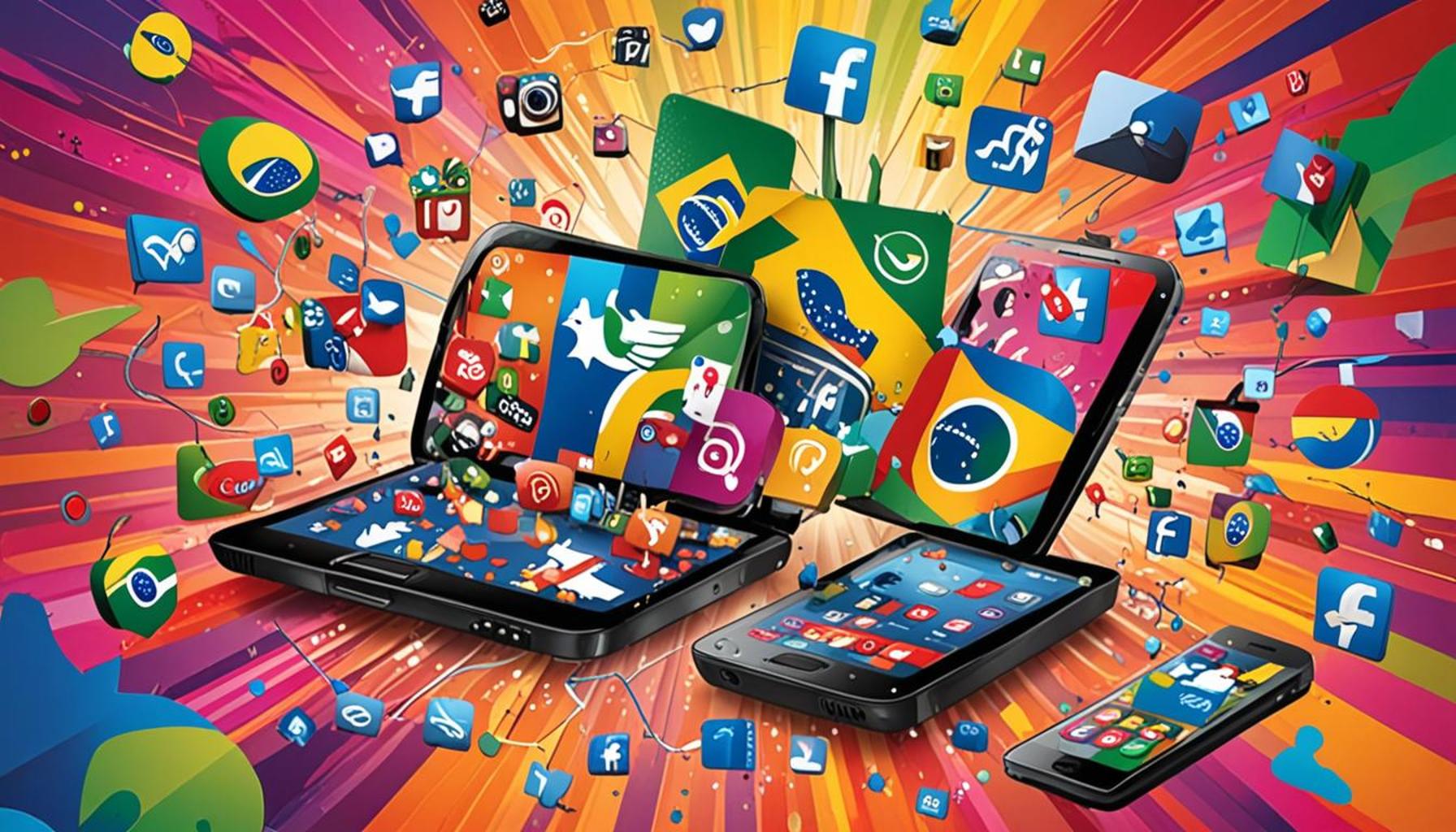
The Power of Social Media in Consumer Choices
In an era marked by rapid technological advancements, consumers find themselves surrounded by endless choices and opinions, especially when it comes to making purchasing decisions. Social media platforms such as Facebook, Instagram, and Twitter have transformed the way people interact with brands and products. Not only do these platforms provide a space for sharing experiences, but they also serve as a vital source of inspiration and validation before a purchase is made.
The Influence of User-Generated Content
One of the most impactful ways social media affects buying behavior is through user-generated content. In the Philippines, for instance, social media users often rely on reviews and recommendations from friends, family, or even strangers who share their experiences online. A consumer may see a friend post a picture of a trendy outfit or a delicious meal from a new restaurant, leading them to feel compelled to try it themselves based on that personal endorsement. This real-life validation can often outweigh traditional advertising methods, making consumer opinions vital in today’s marketplace.
The Role of Influencer Marketing
Additionally, the rise of influencer marketing has further intensified this phenomenon. Filipino influencers, whether fashion bloggers, beauty gurus, or lifestyle vloggers, have the power to sway public perception and trends significantly. For example, when a popular influencer showcases a local skincare brand on their platform, their followers might feel more inclined to trust this brand, believing it to be a genuine recommendation. This influencer-consumer relationship fosters a sense of community and authenticity that traditional advertising struggles to replicate.
The Importance of Engagement and Interaction
Moreover, consumers today crave engagement and interaction with brands. They are not merely passive recipients of marketing; they wish to connect and interact on a personal level. Brands that invest in creating interactive content—such as polls, quizzes, or live Q&A sessions—can build a loyal customer base. In the Philippines, engaging content can resonate deeply, as it caters to the values of camaraderie and connection that Filipinos cherish. When a brand communicates openly and invites users to share their thoughts, it nurtures a relationship that can lead to increased customer loyalty.
Conclusion: Making Informed Choices
Understanding the profound impact of social media on our decision-making is essential for both consumers and businesses alike. By being aware of these influences, we can navigate the digital landscape more wisely, making decisions that align with our values and financial goals. As you scroll through your feeds, take a moment to pause and reflect on the messages and promotions you encounter. Every piece of content you see holds the potential to guide your choices, so approach your purchases with a thoughtful mindset. By being conscientious and responsible with your financial actions, you can ensure that your purchases truly reflect your personal values and needs.
SEE ALSO: Click here to read another article
Understanding Consumer Behavior in the Age of Social Media
The Brazilian market is teeming with vibrant culture and diverse consumer preferences, and social media plays a crucial role in shaping how individuals navigate their purchasing journeys. With millions of active users on platforms like Instagram, Facebook, and TikTok, the influence of these channels on buying habits cannot be overstated. As Brazilians scroll through their feeds, they encounter a myriad of products and services that catch their attention, sparking curiosity and desire. This phenomenon has transformed from mere exposure to active participation in brand storytelling.
Peer Opinions Matter: The Influence of Reviews
In Brazil, the concept of social proof holds significant weight when it comes to purchasing decisions. Consumers often turn to their networks for guidance, seeking opinions and experiences from friends, family, or even online communities. A popular trend is the use of social media to share product reviews and recommendations, creating a ripple effect that influences others. A glowing review on Instagram or a heartfelt testimonial on TikTok can lead an undecided consumer to take action, eager to replicate the positive experience.
Brand Authenticity and Storytelling
As Brazilian consumers grow increasingly savvy, they are drawn to brands that resonate with their values and promote authenticity. Brands that successfully engage with their audience through storytelling can foster loyalty in ways that traditional advertisements cannot. For example, a local artisan brand that highlights its sustainable practices and the artistry behind its products can capture the hearts of consumers who value ethical shopping habits. This connection is often further amplified by relatable narratives shared on social media platforms, making the brand more approachable and trustworthy.
The Visualization of Trends Through Social Media
The visual nature of social media fuels the emergence of trends at an unprecedented rate. Platforms like Pinterest and Instagram allow users to discover and share stunning images of clothing, home decor, or gastronomic delights, inducing a desire to replicate these trends in their own lives. In Brazil, this might manifest as a spike in demand for a trendy swimwear brand showcased by influencers enjoying the beach, or a surge in popularity for a new culinary trend driven by mouth-watering food photos. Here are a few ways visual content influences Brazilian consumers:
- Instant Inspiration: Eye-catching images can spark spontaneous desires, leading to impulse purchases.
- Creating FOMO: The fear of missing out drives individuals to engage with trends quickly to avoid feeling left behind.
- Sharing Is Caring: Consumers often post their own experiences, further fueling the trend as they invite their networks to join in.
Embracing Digital Interaction
As engagement becomes a central tenet of social media, brands that encourage interaction cultivate stronger connections with their audience. Brazilian consumers appreciate brands that actively respond to comments, queries, and even criticisms. This two-way communication gives consumers a sense of belonging, enabling them to feel valued and heard. As a result, the likelihood of customer loyalty grows, making the social space an essential component of effective marketing strategies.
Ultimately, in a world where social media significantly influences purchasing behavior, awareness and intentionality become paramount for consumers. By critically engaging with content and making informed decisions, Brazilians can ensure that their purchases reflect their personal values and financial goals, leading to a more empowered consumer culture.
CHECK OUT: Click here to explore more
The Power of Influencer Culture
The rise of influencer marketing has revolutionized how Brazilian consumers perceive brands and make purchase decisions. With social media becoming an integral part of everyday life, influencers have emerged as trusted sources of information and inspiration. They create a unique rapport with their followers, often seen as relatable peers rather than distant celebrities, which enhances their credibility. This connection is particularly potent in Brazil, where consumers value authenticity and personification of brands.
The Role of Micro-Influencers
In the Brazilian landscape, micro-influencers—those with smaller but highly engaged followings—are gaining prominence. These individuals often have a more intimate relationship with their audience, sharing their genuine experiences with products and services. A beauty enthusiast reviewing a local skincare line can resonate deeply with followers seeking similar solutions. The relatability of micro-influencers often translates into higher engagement rates and, consequently, increased conversion rates. This dynamic suggests that consumers are more likely to trust recommendations from someone they perceive as one of their own, thus influencing their purchasing decisions more effectively.
Social Media Campaigns and User-Generated Content
Brands in Brazil are increasingly leveraging user-generated content (UGC) in their marketing strategies. By encouraging consumers to share their authentic experiences with products online, brands harness the power of community testimonials. Campaigns that invite users to post pictures using a specific hashtag or tagging the brand can create a sense of belonging and exclusivity. For instance, a homegrown artisan market could host an Instagram challenge that celebrates local crafts, inviting customers to showcase their purchases while offering incentives. This not only promotes the brand but also reinforces a strong social connection, making consumers feel like active participants in the brand’s narrative.
The Emotional Connection of Social Media Marketing
Emotional engagement has become a cornerstone of effective marketing strategies in Brazil. Brands that weave emotion into their social media content can establish lasting connections with consumers. A well-crafted story that highlights the struggles and triumphs of a local business can spark empathy and solidarity among followers. When consumers feel emotionally connected to a brand, they are more likely to make purchases that align with their beliefs and values. For example, brands advocating for environmental sustainability can evoke strong feelings of support, leading to a consumption shift towards more eco-friendly products.
The Shift Towards Ethical Consumption
With increasing awareness around environmental and social issues, Brazilian consumers are leaning toward ethical consumption. Social media serves as a platform for spreading awareness, thereby prompting individuals to scrutinize their purchasing decisions more critically. Brands that transparently communicate their production processes, pricing fairness, and ethical missions attract a consumer base that prioritizes responsibility over mere convenience. This may manifest in purchasing decisions, where shoppers favor brands that illustrate social responsibility and cultural respect. For instance, a company that invests in local craftsmanship or supports community initiatives can garner loyalty from consumers who are conscientious about where their money goes.
Ultimately, Brazilian consumers are faced with a unique challenge in navigating the vibrant yet intricate world of social media influences. By adopting a discerning approach and seeking authenticity in brands, they can ensure that their purchasing habits reflect not only their desires but also their principles. In doing so, they contribute to a more conscientious marketplace, transforming their decisions into powerful statements of their values.
SEE ALSO: Click here to read another article
Conclusion
In conclusion, the landscape of Brazilian consumer behavior is unmistakably shaped by the extensive presence of social media. As we have explored, the rise of influencer culture, particularly the growing significance of micro-influencers, has created a new paradigm in how consumers perceive brands and make decisions. The authenticity and relatability that these influencers bring fosters trust, encouraging individuals to align with brands that resonate with their values.
Moreover, brands that embrace user-generated content and tap into the emotions of their audience foster deeper connections and create communities that champion shared experiences. These elements not only enhance brand loyalty but also serve as powerful motivators for purchase decisions. The trend towards ethical consumption reflects an admirable shift in consumer consciousness, as individuals become increasingly aware of the impact of their choices on both society and the environment.
As consumers become more discerning, it is essential for them to navigate this vibrant social media landscape with intention and thoughtfulness. Making purchases that truly reflect one’s personal values not only empowers consumers but also drives brands to commit to ethical practices. By choosing to support responsible businesses, Brazilian consumers can significantly influence the marketplace, championing a wave of change that emphasizes sustainability, authenticity, and social responsibility.
In this dynamic interaction between consumers and brands, every purchase holds the potential to shape a better future. Let us all strive toward conscious consumption, ensuring that our financial choices echo our beliefs and contribute to a thriving and responsible marketplace.

Linda Carter
Linda Carter is a writer and marketing specialist who helps businesses and entrepreneurs build strong brands and effective growth strategies. With extensive experience guiding companies to increase their market visibility and make data-driven decisions, she shares practical marketing insights on our platform. Her goal is to empower readers with actionable advice and proven techniques to achieve sustainable business growth and marketing success.